

Can't Sleep During Pregnancy or Postpartum? Here's What's Actually Going On.
It’s 3am. You’re awake — again. Maybe you’re pregnant and the heartburn won’t quit. Maybe the baby finally went down but now you can’t fall back under. Maybe you’re lying in the dark, exhausted and wired at the same time, wondering if you’ll ever feel rested again.
Sleep disruption is nearly universal in pregnancy and postpartum.
Why Pregnancy Wrecks Your Sleep (Trimester by Trimester)
First trimester: Progesterone surges and affects the same brain pathways many sleep meds target, so you feel sedated in the afternoon… yet still wake at night. Add nausea, bladder pressure, and anxiety, and sleep becomes fragmented early.
Second trimester: Often the “best” stretch, relatively speaking. But restless legs can appear, and comfort becomes a nightly puzzle of pillows and position changes.
Third trimester: Sleep disruption peaks. Nighttime awakenings become constant, and hormonal shifts can reduce REM sleep — the restorative stage tied to mood, memory, and emotional regulation. Late pregnancy doesn’t just shorten sleep; it degrades sleep quality, and that’s the part that hits hardest.
Postpartum Sleep Deprivation: It’s More Than “The Baby Wakes Up”
Early postpartum sleep is often broken into small fragments — and it’s not just the schedule. Hormones drop rapidly after delivery, night sweats are common, and your nervous system stays on alert. Research suggests new mothers become neurologically primed to respond to infant cues faster than their own needs — even when depleted.
Chronic sleep loss is also strongly linked with postpartum mood issues, and the relationship is bidirectional: poor sleep raises depression risk, and depression worsens sleep. This isn’t something to “power through.” Sleep is preventive care.
The Science of Darkness: A Sleep Mask Isn’t Just a Spa Thing
Melatonin — your sleep-wake hormone — is produced in darkness, and even small amounts of light can suppress it: a phone screen, a monitor glow, a streetlamp through the curtains.
Now think about pregnancy and postpartum nights: bathroom trips, nightlights, nursing sessions, early dawn. Every exposure chips away at melatonin right when your sleep is already fragile.
Research on eye masks (in both clinical and real-world settings) shows they can support deeper sleep by improving sleep efficiency, increasing REM time, reducing nighttime arousals, and even shifting melatonin/cortisol patterns in a more sleep-supportive direction. For a body living on fragmented rest, that’s not marginal — it’s meaningful.
Not all masks are equal
Material matters.
Pregnancy and postpartum hormones can bring sensitivity, dryness, breakouts, and pigmentation changes at once. The eye area is the thinnest, most reactive skin on your body. Synthetic fabrics can trap heat and irritate. Cotton can pull moisture (and product) away from the skin.
Mulberry silk is naturally smooth, less frictional, and tends to be gentler on reactive skin. It’s also more breathable and thermoregulating — important when pregnancy runs warm and postpartum night sweats run hotter.
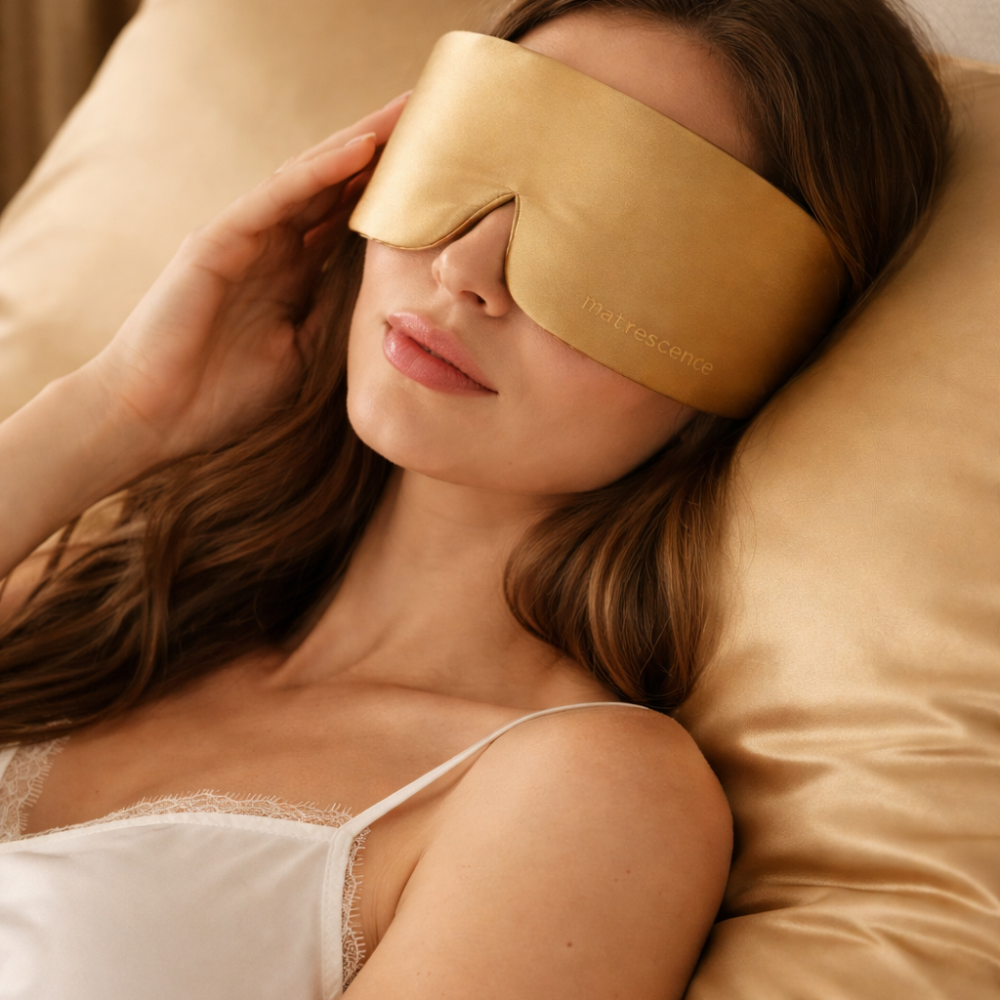
Our Mulberry Silk Sleep Mask was designed for exactly this season: total darkness, ultra-gentle contact, and comfort that holds up through real-life nights.

👉 Shop The Mulberry Silk Sleep Mask
Your 3-Step Sleep Ritual
We’re not going to tell you to “just go to bed earlier.”
Instead:
Create a darkness cue.
Thirty minutes before sleep, dim lights and switch screens to night mode. Blue light is especially effective at suppressing melatonin.
Mask on = "the off switch".
Put your sleep mask on the moment you lie down. Within a few nights, the physical cue can start signaling “rest” to your nervous system.
Use it for every sleep window.
Night sleep, naps, the 40 minutes when someone else holds the baby — a mask makes stolen sleep more darkness-supported and more restorative.

You Deserve to Protect Your Rest
Sleep deprivation in pregnancy and motherhood isn’t a badge of honor. Chronic disruption is linked with mood changes, impaired recovery, and long-term health consequences. Taking rest seriously isn’t selfish — it’s protective.
A silk sleep mask won’t solve third-trimester heartburn or 3am feeds. But it can help the sleep you do get go deeper, feel more restorative, and support the biology that makes rest actually count.
the guide
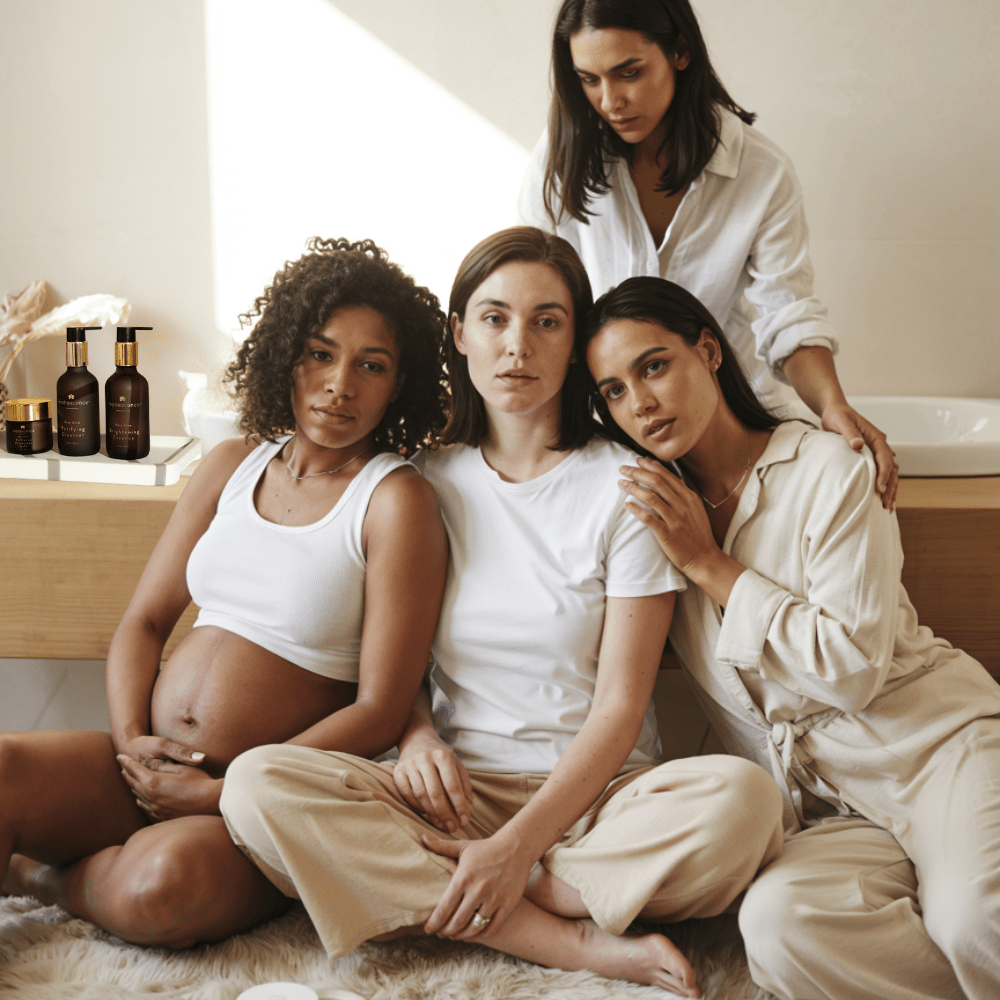
From PCOS to perimenopause, hormonal shifts happen at every life stage. Learn why hormone-safe skincare is a must—even if you’re not expecting.
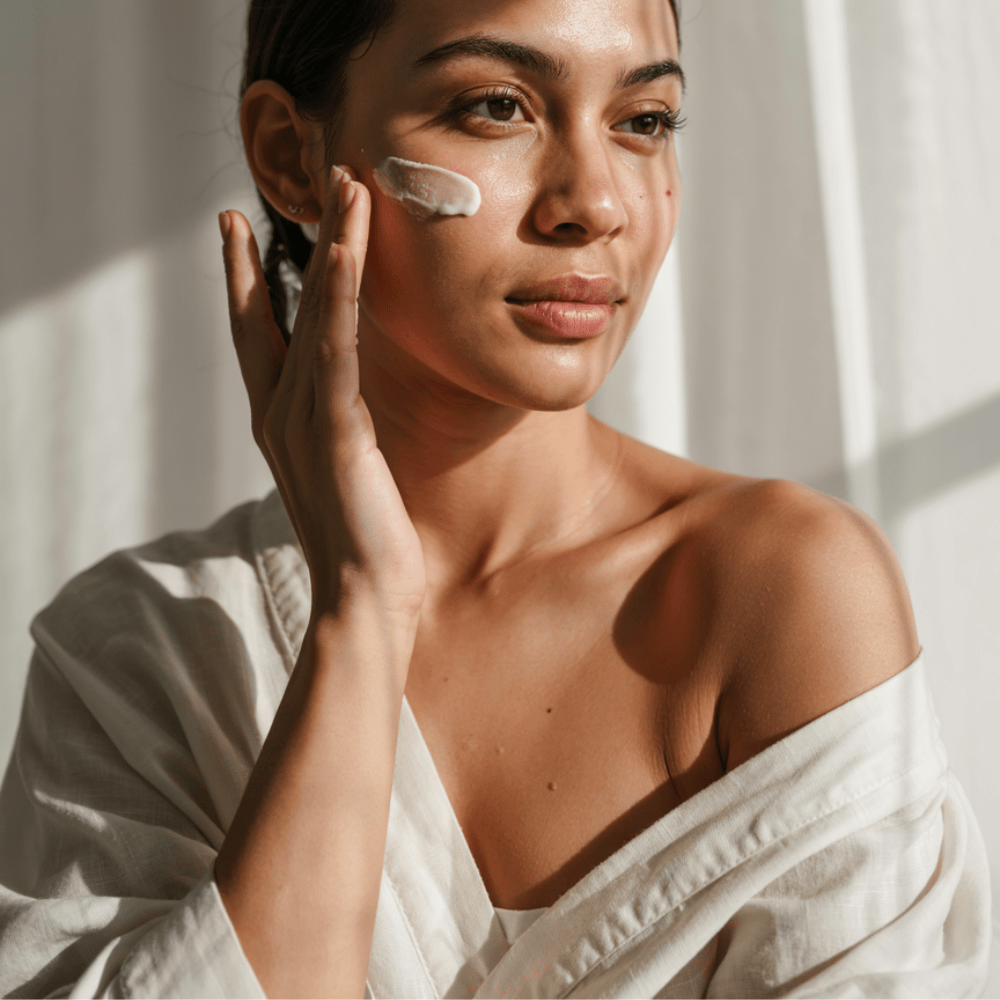
Whether you’re pregnant, postpartum, or perimenopausal, choosing the right ingredients makes all the difference. In this guide, we explain why endocrine disruptors matter, spotlight clean actives a...
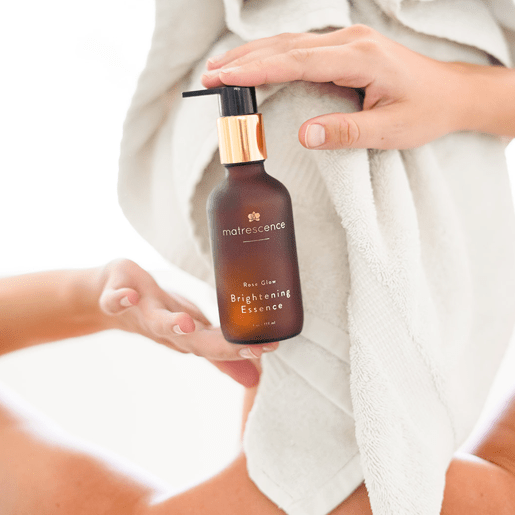
A deep-dive of our Brightening Essence. A dual-action toner and serum that gently exfoliates and hydrates to reveal a vibrant, more even complexion. Formulated for hormonally shifting skin, it help...
Leave a comment
All comments are moderated before being published.
This site is protected by hCaptcha and the hCaptcha Privacy Policy and Terms of Service apply.