





Pregnancy and Postpartum Swelling: How Dry Brushing Can Help
Swelling in the feet, ankles, hands, and face is incredibly common during pregnancy. And for many mothers, that same puffiness can linger, or even appear more noticeably in the early postpartum days.
Behind the scenes, one of the body’s hardest-working systems is the lymphatic system: a quiet network responsible for moving excess fluid, filtering waste, and supporting immune function. During pregnancy and postpartum, it is doing more than usual, often without enough support.

What is the lymphatic system?
Think of it as one of the body’s natural drainage systems.
It helps collect excess fluid from tissues, filter it through lymph nodes, and return it back into circulation. Unlike your circulatory system, it does not have a pump like the heart. It relies on movement, breath, and gentle stimulation to keep things flowing.
That matters during pregnancy, when fluid volume increases significantly, and after birth, when the body begins releasing much of what it retained over nine months.
When movement is limited, whether from late pregnancy discomfort, labor recovery, or the stillness of new motherhood, fluid can linger in the tissues. That is when you may notice puffiness, heaviness, and that overall feeling of being swollen and stretched.

Where dry brushing comes in
Dry brushing is one simple way to support lymphatic movement at home.
Using a natural-bristle brush on dry skin before showering can help stimulate the skin, encourage circulation, and support the movement of fluid through the superficial lymphatic pathways just beneath the surface.
It is not about harsh pressure. It is about gentle, consistent strokes in the right direction.
When practiced intentionally, dry brushing can help:
- support lymphatic flow
- ease feelings of heaviness and puffiness
- gently exfoliate dry, stretched skin
- create a grounding daily ritual
- offer a quiet moment of reconnection with your body
Why it can feel especially supportive in motherhood
During pregnancy, dry brushing may help relieve the discomfort of fluid retention, especially in the legs and feet. It can also help awaken tired skin and bring a sense of lightness to a body that may feel physically burdened.
Postpartum, it can feel like a reset.
As your body works to shed retained fluid and move through major hormonal shifts, dry brushing can become a small but meaningful act of support. The ritual itself can also feel calming, helping signal to your nervous system that you are safe, cared for, and allowed to recover too.
Because in a season when so much attention shifts outward, even five quiet minutes of tending to your own body can feel powerful.
How to practice it
Keep it simple.
Before a shower, on completely dry skin, use gentle upward strokes starting at the feet and moving toward the heart. Brush from the hands toward the underarms, and from the legs upward toward the groin. On the torso, keep pressure light and movements intentional.
A few reminders:
- always brush gently
- avoid broken, irritated, or sensitive skin
- avoid varicose veins or painful areas
- check with your provider before starting if you have pregnancy complications or are recovering from a cesarean birth
This should feel supportive, not abrasive.
the guide
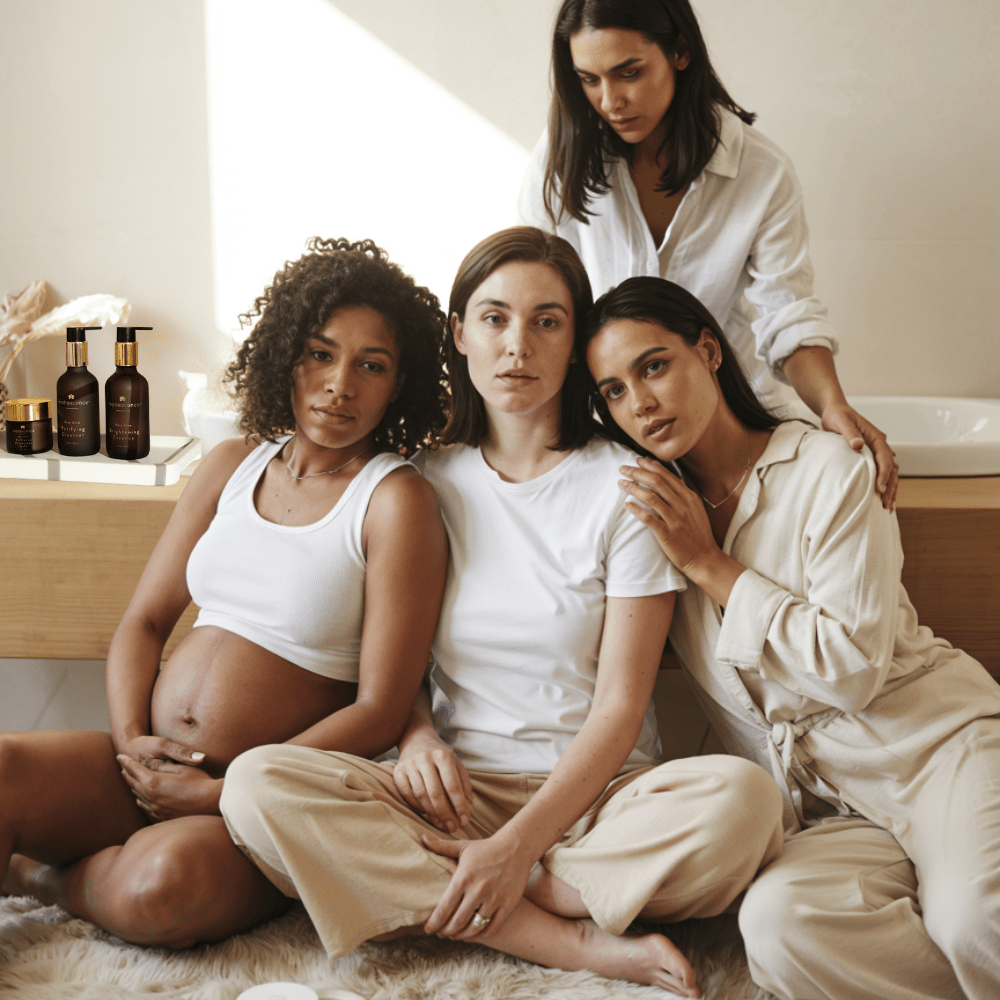
From PCOS to perimenopause, hormonal shifts happen at every life stage. Learn why hormone-safe skincare is a must—even if you’re not expecting.
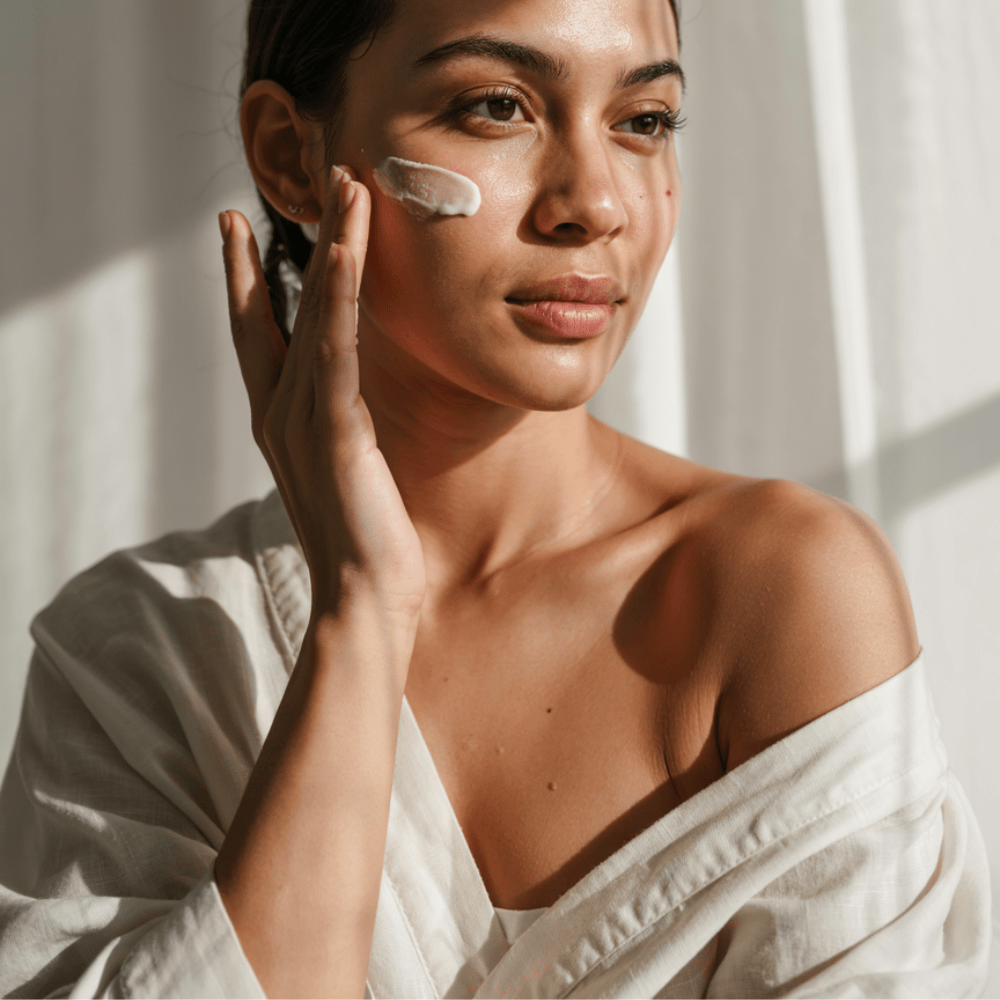
Whether you’re pregnant, postpartum, or perimenopausal, choosing the right ingredients makes all the difference. In this guide, we explain why endocrine disruptors matter, spotlight clean actives a...
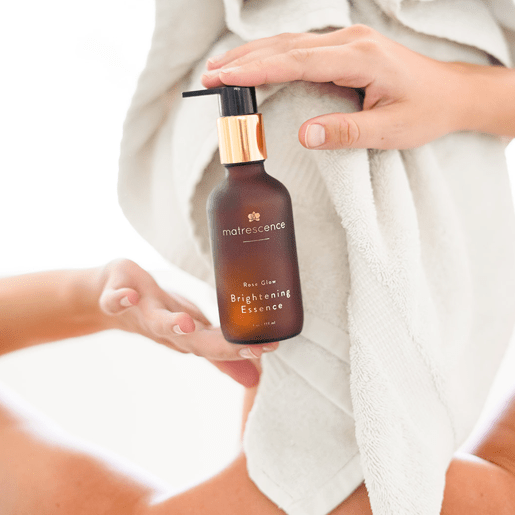
A deep-dive of our Brightening Essence. A dual-action toner and serum that gently exfoliates and hydrates to reveal a vibrant, more even complexion. Formulated for hormonally shifting skin, it help...
Leave a comment
All comments are moderated before being published.
This site is protected by hCaptcha and the hCaptcha Privacy Policy and Terms of Service apply.