




Melasma skincare: a hormone-safe ritual that helps
Melasma (those brown-gray patches on your cheeks, forehead or upper lip) is stubborn. Here's how to care for it with hormone-safe skincare, in a ritual short enough to keep up.

What is melasma?
Melasma happens when pigment cells (melanocytes) go into overdrive and deposit extra pigment in patches. It shows up in up to 50 to 70% of pregnancies. Common triggers:
- Hormone shifts: pregnancy (the "mask of pregnancy"), birth control pills and hormone replacement can all set it off.
- Sun: even a little UV pushes pigment production. Melasma and sun are a bad pair.
- Genetics: if your mom or grandmother had it, you're more likely to get it.
If you're unsure whether you're seeing melasma, or it's spreading, check with your OB/GYN or doctor. Hydroquinone and retinoids, common melasma options, are commonly advised against in pregnancy.
Four parts of a melasma ritual
1. Sun protection, every day
No serum can keep up with daily UV. Make sunscreen the step you never skip:
- Broad-spectrum SPF 30 or higher: mineral filters like zinc oxide or titanium dioxide cover UVA and UVB without the chemical filters linked to hormone disruption.
- Reapply every 2 hours: especially when you're outside.
2. Gentle exfoliation
Clearing dead skin cells helps skin tone look more even, but overdoing it backfires.
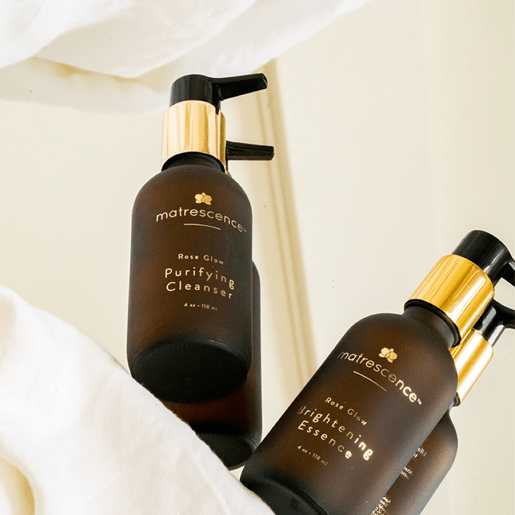
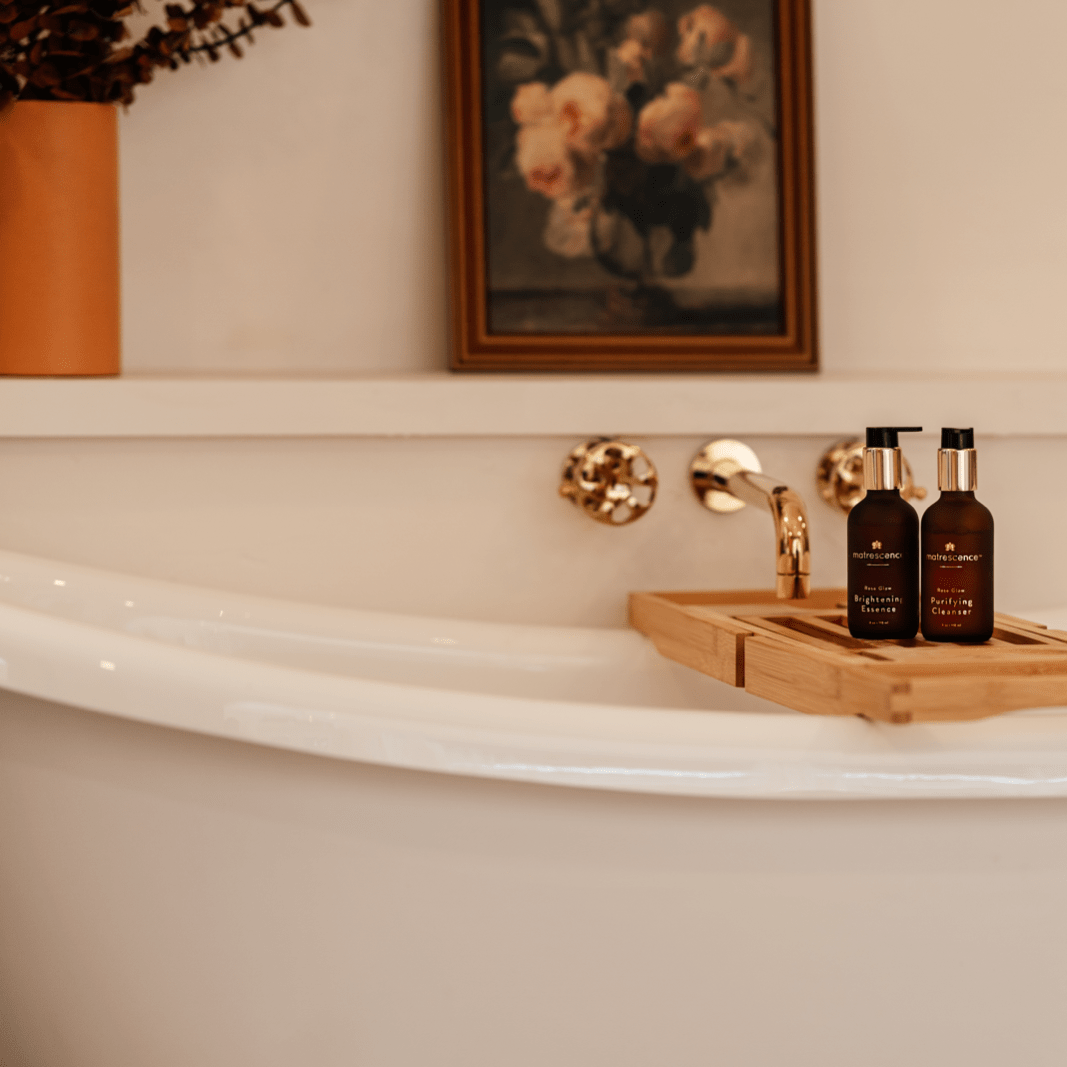
- Lactic acid: one of the gentlest acids. It smooths texture and helps what comes next absorb. Stronger lactic acid peels (5 to 10%) are best kept to once or twice a week. The Brightening Essence pairs lactic acid with vitamin C to soften the look of dark spots and melasma in your daily ritual.
- Skip harsh scrubs on your face: rough grains can irritate the skin, and irritation can make melasma look darker.

3. Hydration and barrier support
Brightening and exfoliating can leave your barrier stressed. Make room for:
- A rich moisturizer: something like The Brilliance Protection Soufflé helps seal in moisture without clogging pores.
- Oils high in linoleic acid: they support the skin's natural lipids.
4. Beyond products
- Wear a wide-brim hat and sunglasses outside, even in the city.
- Go easy on heat (saunas, hot yoga). Heat can make melasma worse.
- Protect your sleep and manage stress where you can. Chronic stress raises cortisol, which may make pigmentation worse.

Why Matrescence?
- Hormone-safe: every formula is free of known hormone disruptors and ob/gyn recommended, and our Purifying Cleanser and Brightening Essence are EWG Verified.
- Botanicals with purpose: we pair well-studied actives like lactic acid and vitamin C with plant extracts that are safe in pregnancy and postpartum.
- Ritual first: a few steps you'll do every day, through a changing face and a changing life.
Start with the Clear & Bright Ritual (cleanser and essence), or browse everything for melasma and dark spots.
shop the ritual
hormone-safe skincare for every stage. these are the three most moms try first.


the guide
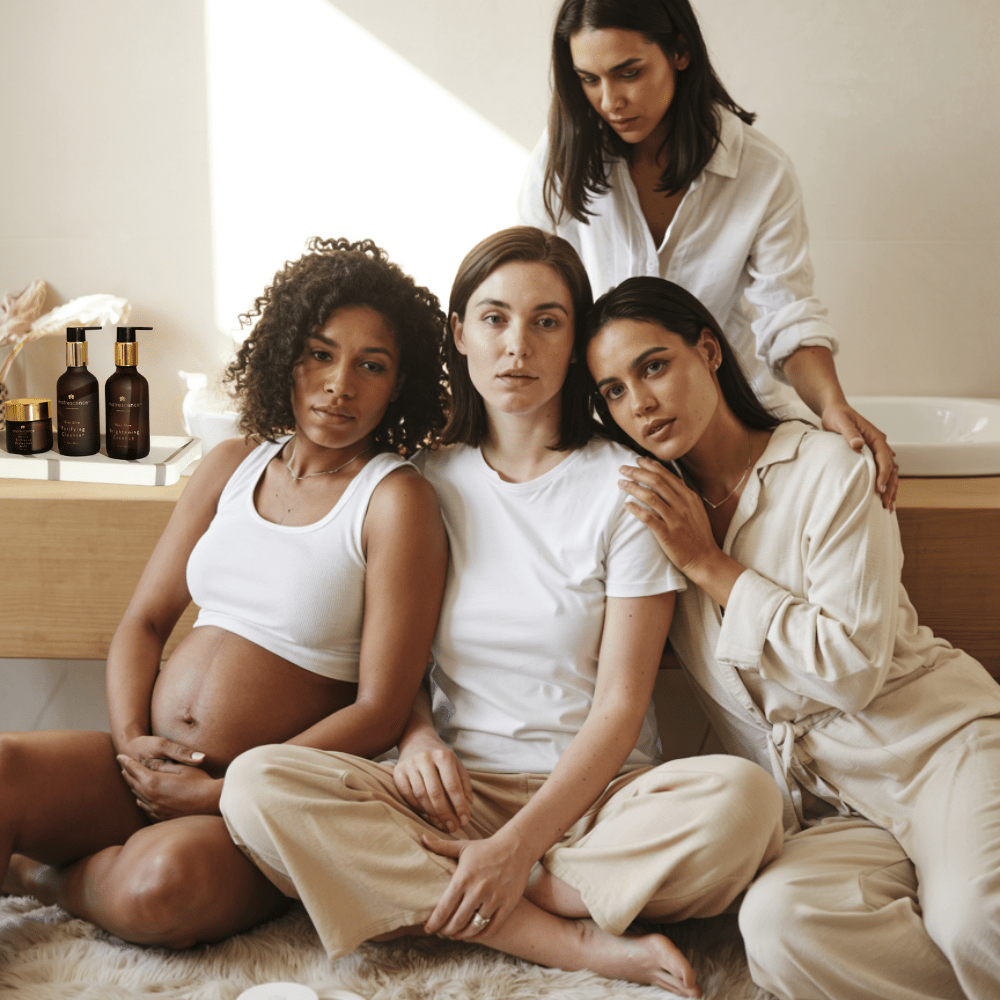
From PCOS to perimenopause, hormonal shifts happen at every life stage. Learn why hormone-safe skincare is a must, even if you’re not expecting.
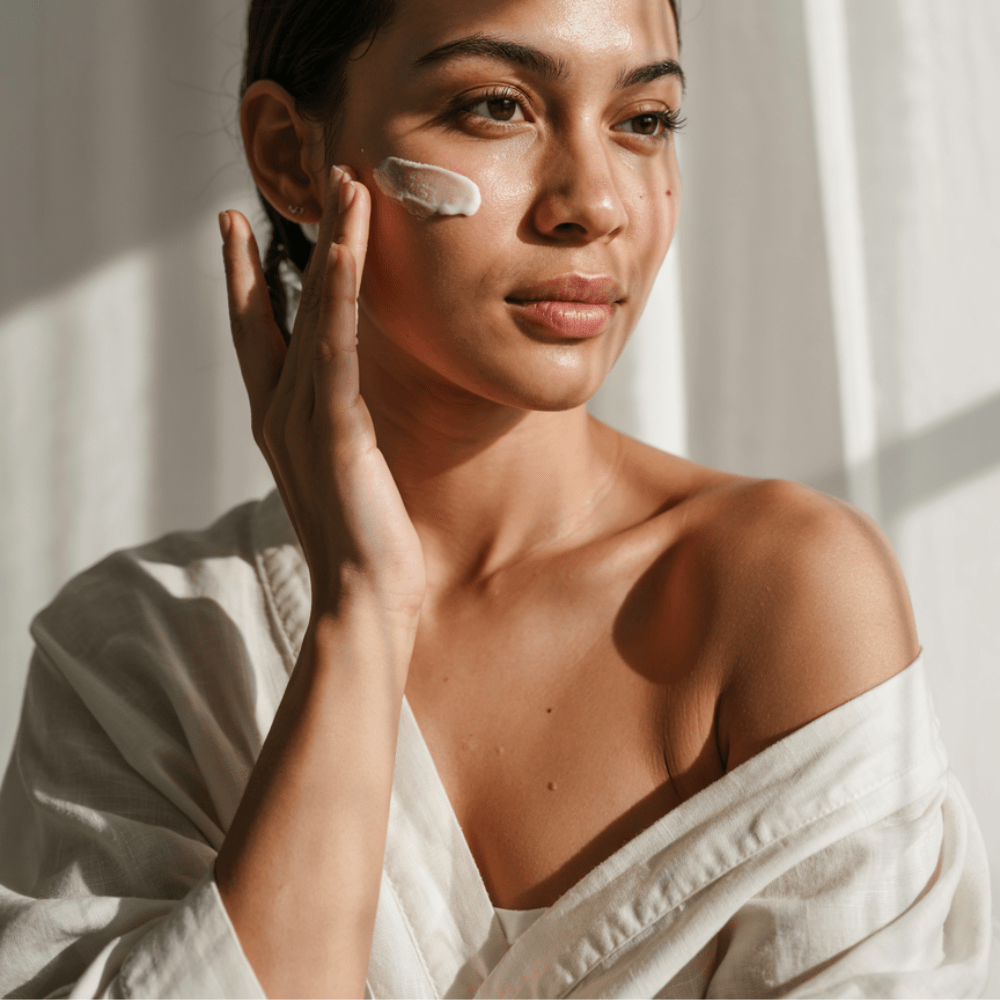
Whether you’re pregnant, postpartum, or perimenopausal, choosing the right ingredients makes all the difference. In this guide, we explain why endocrine disruptors matter, spotlight clean actives a...
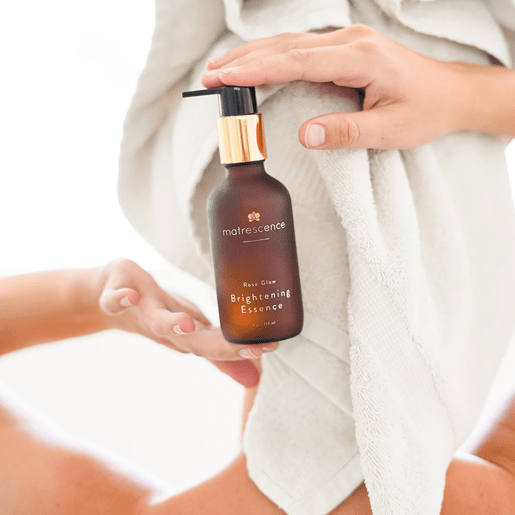
A deep-dive of our Brightening Essence. A dual-action toner and serum that gently exfoliates and hydrates to reveal a vibrant, more even complexion. Formulated for hormonally shifting skin, it help...
Leave a comment
All comments are moderated before being published.
This site is protected by hCaptcha and the hCaptcha Privacy Policy and Terms of Service apply.