





Dry Brushing After Baby: Why Your Postpartum Body Needs This Ritual Even More
The fourth trimester: where dry brushing becomes recovery
Maybe you picked up dry brushing in pregnancy and loved it, even started looking forward to those few quiet minutes before the shower. Now the baby is here, the brush is somewhere behind the diaper cream, and a shower feels like a luxury. We get it.
But your postpartum body, the body in the thick of matrescence, may want this practice even more.
After delivery, your body goes through a big fluid shift. The extra water you carried has to leave. You pee more, you sweat through your sheets, and estrogen and progesterone drop from all-time highs to near-menopausal levels within days.
Your lymphatic system doesn't snap back either. It's recalibrating after months of pressure, moving leftover fluid and supporting your immune system while everything else shifts.
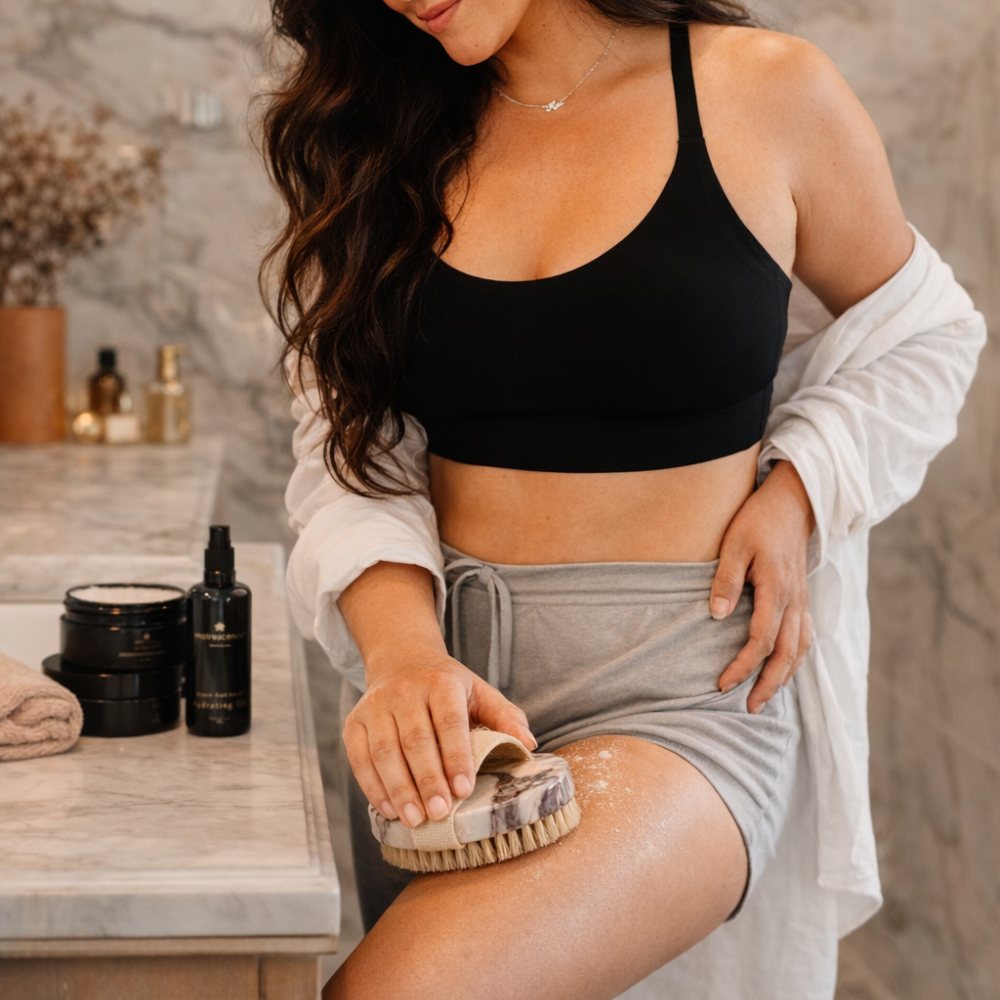
Gentle dry brushing can help in the early weeks. Start with legs, arms and back (and stay well away from any incision). It gives circulation a nudge when you're sitting a lot, many moms find it helps with puffiness, and it gives you a few minutes that are about your body, at a time when your body feels fully in service to someone else.
That last part matters. Researchers describe postpartum attention "zooming in" so hard on the baby that moms can lose touch with their own physical experience. Dry brushing is a way back: this body is still mine.

"Bouncing back" is a myth. Recalibrating is real.
In pregnancy, blood volume rises a lot and your body holds onto liters of water. Every system expands (circulatory, lymphatic, hormonal, musculoskeletal). Postpartum, all of it starts to reverse, but not overnight and not neatly.
In the first couple of weeks, fluid clearance can feel dramatic: more trips to the bathroom, night sweats, lingering puffiness (sometimes worse right after delivery). Your body takes time to find its rhythm again.
Your skin is shifting too. Hormones can bring dryness, sensitivity, dullness or breakouts, sometimes all at once. It's common to feel like your skin belongs to a stranger. A ritual won't "fix" your body (your body isn't broken), but it can support a transition that's already underway.
How dry brushing helps in the fourth trimester
- It gives circulation a small assist. Early postpartum means a lot of sitting and lying down. That rest matters, but circulation slows without movement. Gentle, rhythmic brushing gets surface blood flow going.
- It helps moisture sink in. Falling hormones can leave skin drier and more reactive. Dry brushing lightly exfoliates, so moisturizer absorbs better. If your lotion seems to sit on top, that may be why: exfoliate first, then hydrate.
- It can ease the heavy feeling. Dry brushing isn't a medical fix for swelling, but many moms find it helps alongside water, movement and putting their feet up, especially for legs and ankles that feel waterlogged.
- It reconnects you to yourself. Hard to measure, easy to dismiss, until you've lived it. Postpartum can shrink you down to tasks: feed, soothe, recover, repeat. A few minutes of deliberate, full-body touch puts you back in contact with you.
The postpartum dry brushing ritual (adapted for real life)
Your pregnancy ritual may have been calm and consistent. Postpartum is not. The ritual adapts to you.
When to start: many moms feel ready a few days to a week after a vaginal delivery. After a C-section, wait for your provider's go-ahead and keep away from the incision until it has fully closed.
- Feet and legs first: long upward strokes from the ankles. Spend an extra 30 seconds here if swelling lingers.
- Arms next: from palms to shoulders, light strokes toward the heart.
- Back and shoulders (optional): only if you can reach comfortably or have help.
- Belly (when you're ready): this one is personal. If you do it, use the lightest touch. If it doesn't feel right physically or emotionally, skip it or use a soft cloth instead.
- Shower and moisturize: apply The Hydrating Oil or The Restorative Butter while skin is still slightly damp. Postpartum skin is often thirstier than ever.
How often: two to three times a week is a good rhythm. Once a week still counts. Consistency over intensity.
Swelling that comes on suddenly, sits in one leg only, or comes with pain, redness or a bad headache is a reason to call your OB/GYN or doctor, not to brush.
For C-section moms: scar care is a separate conversation
C-section recovery guidance is often thin, even though it's major surgery. Scar tissue can stick to surrounding tissue, and nerves can recover with numbness, hypersensitivity or a "phantom itch."
That's where scar desensitization comes in. It isn't part of your general dry brushing, and it's best done with your provider or a pelvic floor physical therapist, to help your nervous system tolerate touch again.
How to start (after clearance, usually around 6 to 8 weeks):
- Begin with indirect contact around the scar (above, below, the sides), not on the incision line.
- Use very soft textures first, then progress slowly as comfort grows.
- Over time, move toward gentle direct contact and scar mobility work if you need it.
Your postpartum brushing cheat sheet
- Start: a few days to a week postpartum (vaginal), or after provider clearance (C-section). Begin with legs and arms.
- Avoid: incisions, stitches, any tender or sore areas, varicose veins.
- Pressure: light. Lighter than you think. "Pink, not red" still applies, and postpartum skin may be even more reactive than it was in pregnancy.
- Frequency: two to three times a week. Once a week is still good.
- Always follow with moisture: oil or body butter on damp skin.
- Scar desensitization: a separate practice, after the incision has fully closed and your provider clears you. Start around the scar and progress slowly. Keep soft textures near your feeding spot.
- The rule that matters most: if it feels good, keep going. If it doesn't, adjust. This is your ritual.
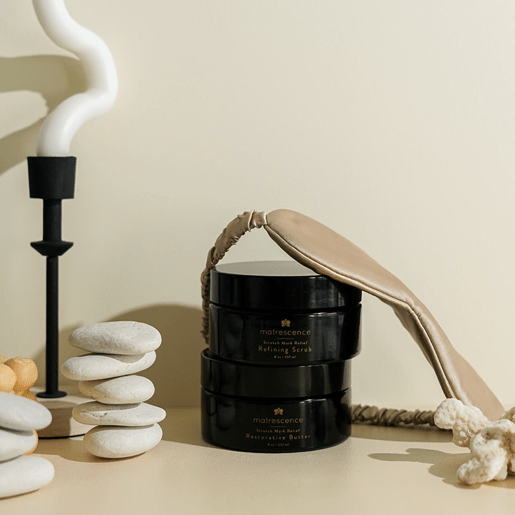
For after-brush moisture, start with The Restorative Butter.
shop the ritual
hormone-safe skincare for every stage. these are the three most moms try first.


the guide
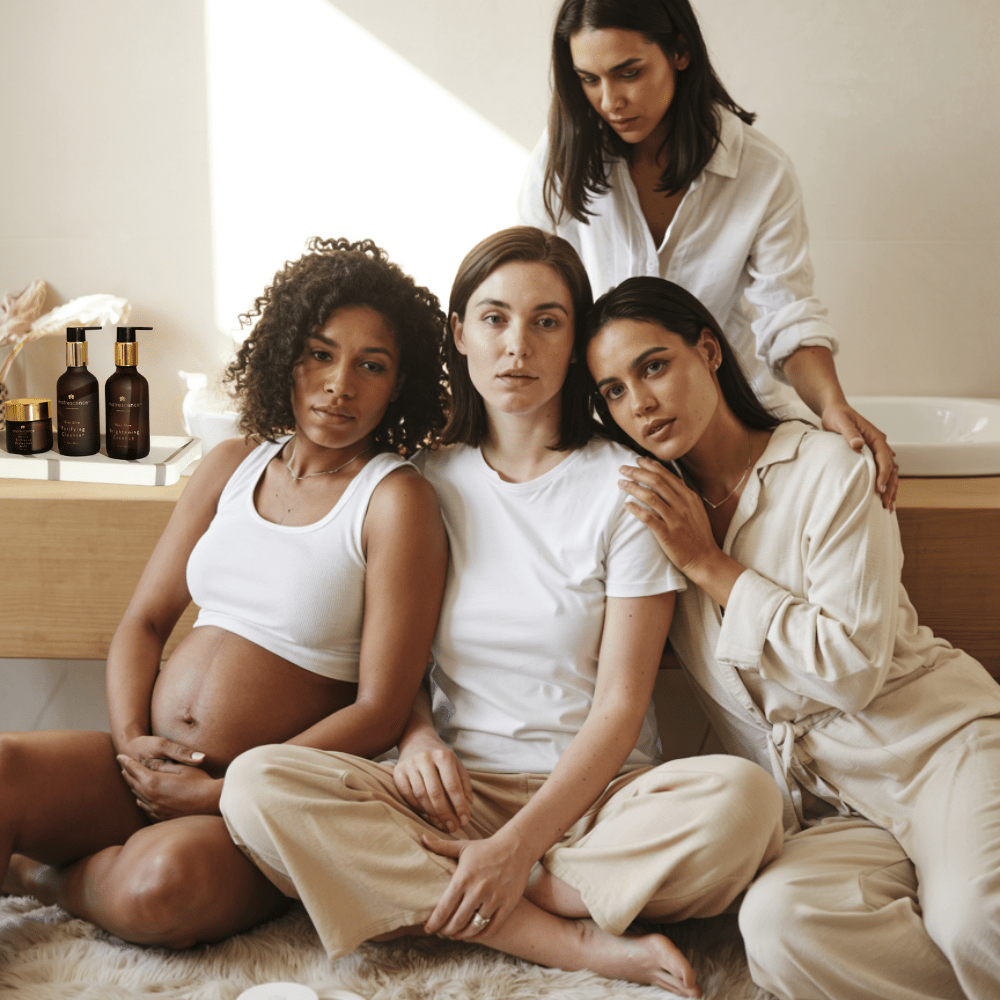
From PCOS to perimenopause, hormonal shifts happen at every life stage. Learn why hormone-safe skincare is a must, even if you’re not expecting.
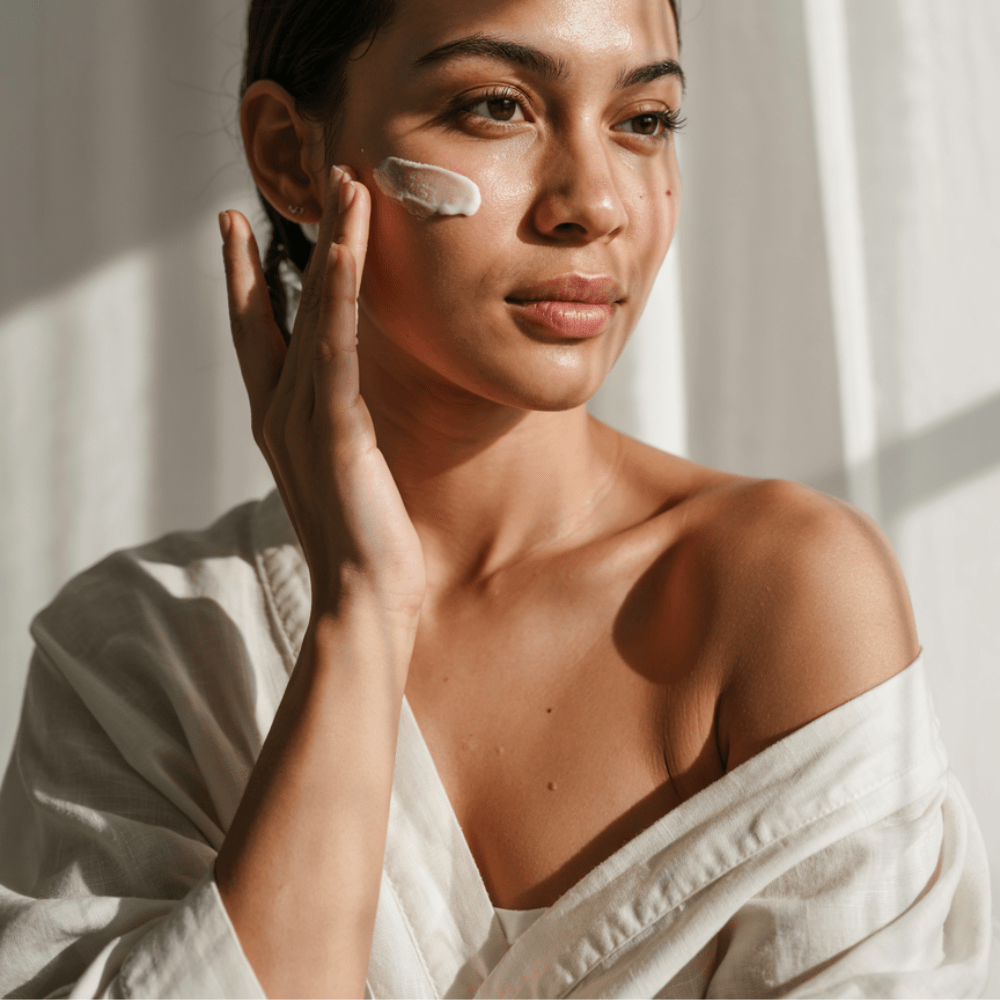
Whether you’re pregnant, postpartum, or perimenopausal, choosing the right ingredients makes all the difference. In this guide, we explain why endocrine disruptors matter, spotlight clean actives a...
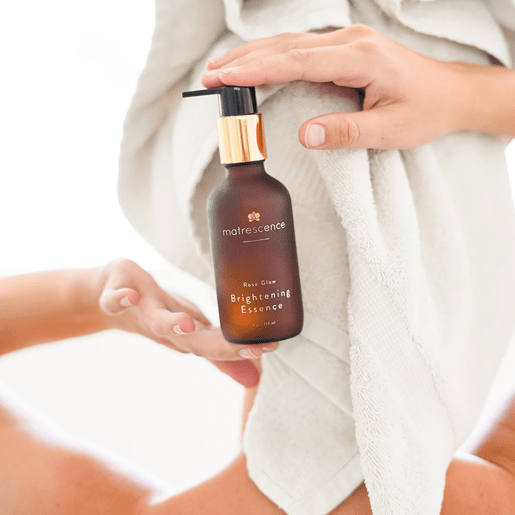
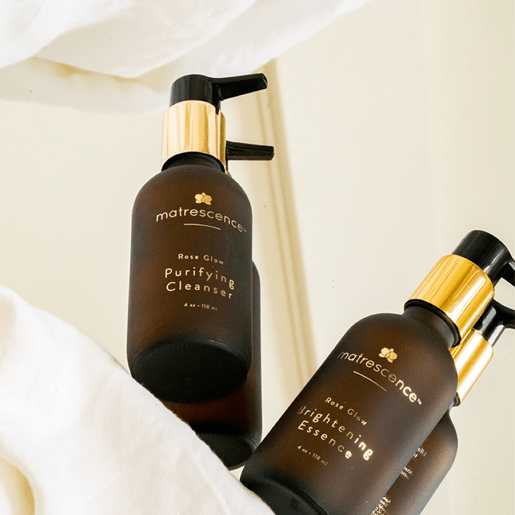
A deep-dive of our Brightening Essence. A dual-action toner and serum that gently exfoliates and hydrates to reveal a vibrant, more even complexion. Formulated for hormonally shifting skin, it help...
Leave a comment
All comments are moderated before being published.
This site is protected by hCaptcha and the hCaptcha Privacy Policy and Terms of Service apply.