



👉 Shop the Marble Dry Brush
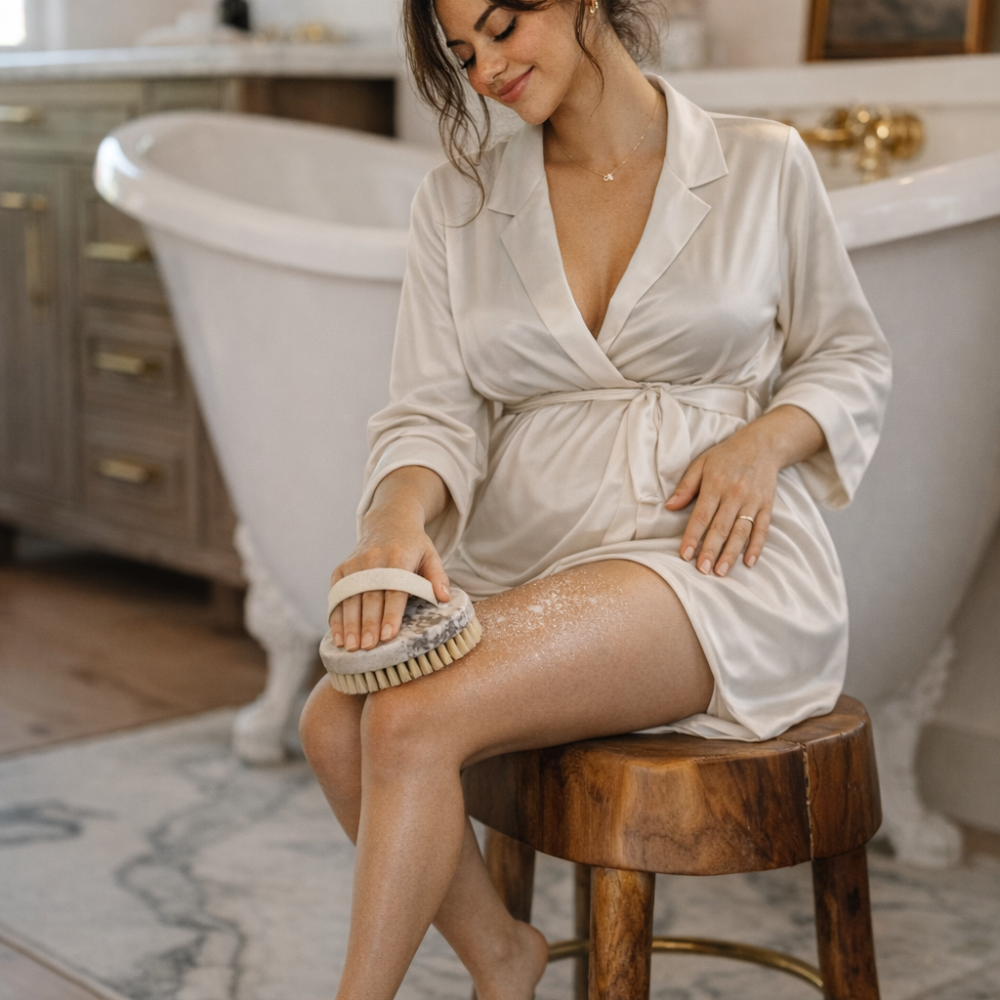
Can I Dry Brush While Pregnant? Is it Safe?
Dry brushing has that old-world ritual energy, people have been doing this for centuries across different cultures, yet it fits perfectly into the chaos of modern motherhood: it’s quick, grounding, and low-effort.
What Is Dry Brushing?
It's a pre-shower massage with a natural-bristle brush on completely dry skin. That's it. No products, no setup, no stress. Just you, the brush, and a few quiet minutes before the water gets going.
Here's what it does:
It exfoliates. Dry brushing is mechanical exfoliation — it buffs away dead skin cells so everything feels smoother, softer, and a little more luminous. That "glow" everyone talks about? It's real. It's just exfoliation, not magic.
It wakes up your nervous system. Many people describe dry brushing as either energizing or deeply calming — kind of like how a good massage can go either way. During pregnancy, when your body can feel like it's running on someone else's operating system, that sensory reset is a big thing.
It may support circulation and fluid movement. Your lymphatic system relies partly on movement and external compression to keep things flowing. Dry brushing isn't a medical treatment, but as part of a broader routine (movement, hydration, compression, legs up on the couch), it can feel genuinely helpful — especially during those "heavy legs" days.
Is It Safe During Pregnancy?
Short answer: yes, for most people. Longer answer: pregnancy skin plays by different rules, so a few guardrails matter.
Skip dry brushing if you have:
Open cuts, scrapes, sunburn, or active irritation
An eczema or psoriasis flare (brushing can make it worse)
Very sensitive skin — a silk body glove might be your better option right now
Pregnancy-specific things to know:
Varicose veins: Don't brush directly over raised or protruding veins. The skin there is more delicate than you'd think. Brush around them, not on them.
The "pink, not red" rule: After brushing, a light flush is totally normal — it means blood flow is reaching the surface. But if you see scratches, stinging, or redness that sticks around? You're pressing too hard. Dial it back. Pregnancy skin is more reactive than your pre-pregnancy skin ever was.
Your belly: This is personal but we advise expecting mamas to go extremely gentle on the belly or skip it entirely and use a silk body glove instead.
The 5-Minute Ritual (Step by Step)
When: Right before your shower, on completely dry skin.
1. Start at your feet. Long, gentle strokes from the soles upward. Your feet are the farthest point from your body's central circulation, which makes them the natural starting point. Two to three passes per area is enough.
2. Work up your legs. Ankles to knees, then knees to hips. Keep the pressure firm enough to engage the skin but comfortable — think "wake up the skin," not "sand it down." On the backs of your thighs, small circular motions can feel especially good where fluid tends to pool during pregnancy.
3. Hands and arms. Palms toward shoulders. Same principle: always stroke toward the heart, always lift the brush between strokes rather than dragging back and forth.
4. Your belly — gently (or not at all). If it feels good, use the lightest possible touch. Clockwise circular motions follow your digestive tract's natural path and can help with the bloating and constipation that seem to come standard with pregnancy. But if your belly skin feels too sensitive or stretched? Skip it. Listen to your body.
5. Your back. Lower back upward toward the neck. Can't reach? Hand the brush to your partner. This can become a shared ritual, and honestly, it's a nice one.
6. Shower + moisturize immediately. Rinse away the exfoliated cells, then — while your skin is still slightly damp — apply the hydrating oil or the restorative body butter. Freshly brushed skin absorbs moisture dramatically better because your pores are unclogged and dead cells are gone. This is when hydration actually works.
How often? Start with 2–3 times per week. Overdoing exfoliation can irritate and inflame skin, which is the opposite of what we're going for!

Choosing the Right Brush
This matters more than you'd think. Synthetic bristles can be too harsh for pregnancy-sensitized skin.
Look for natural bristles — firm enough to stimulate the skin, soft enough that you'd actually use it daily without flinching.
Share
the guide
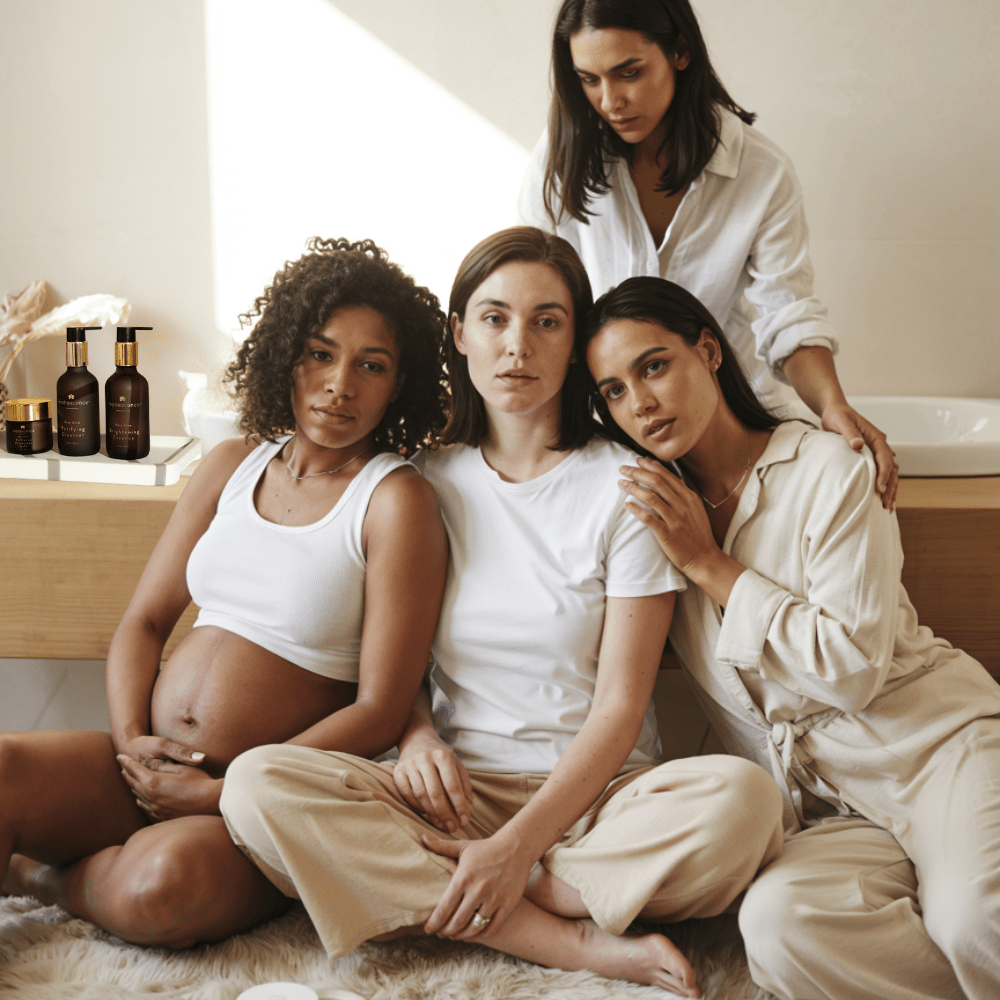
Hormone-Safe Skincare Isn’t Just for Pregnancy—Here’s Why.
From PCOS to perimenopause, hormonal shifts happen at every life stage. Learn why hormone-safe skincare is a must—even if you’re not expecting.
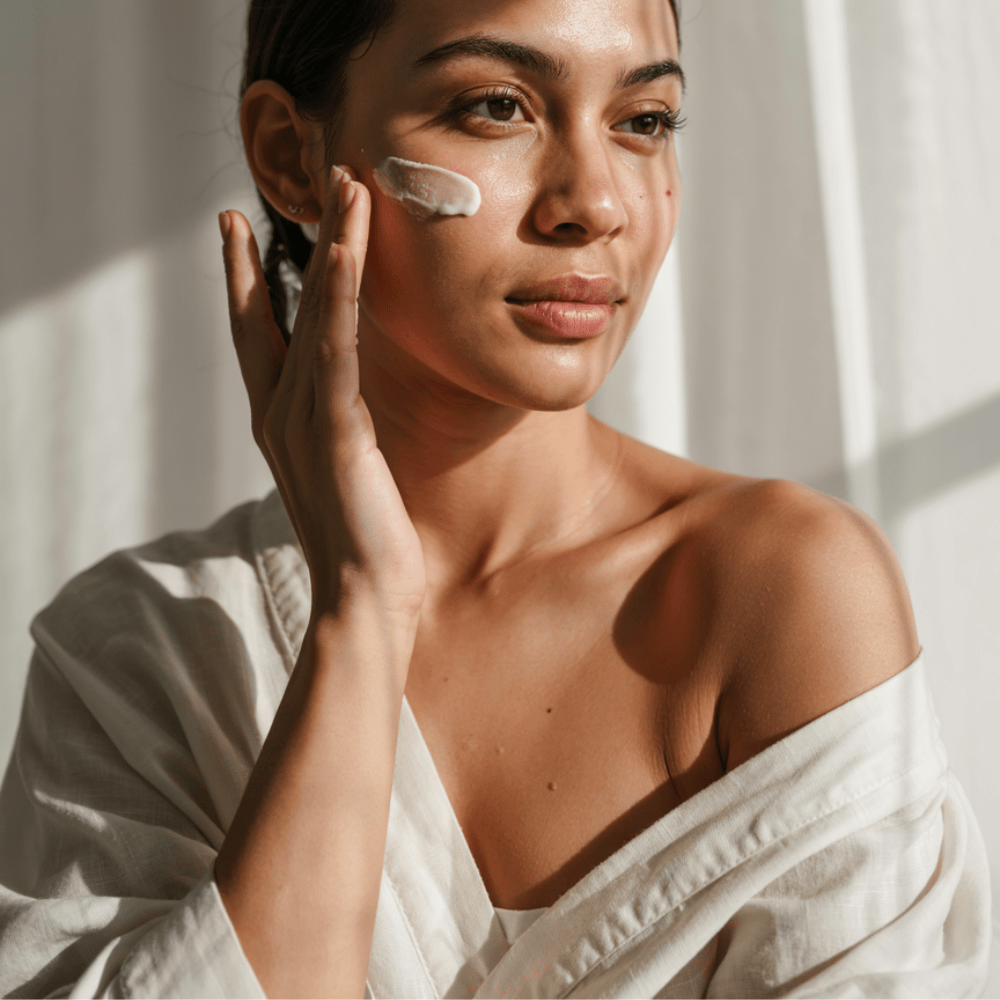
Hormone-Safe Skincare 101 – Caring for Your Skin (and Hormones)
Whether you’re pregnant, postpartum, or perimenopausal, choosing the right ingredients makes all the difference. In this guide, we explain why endocrine disruptors matter, spotlight clean actives a...
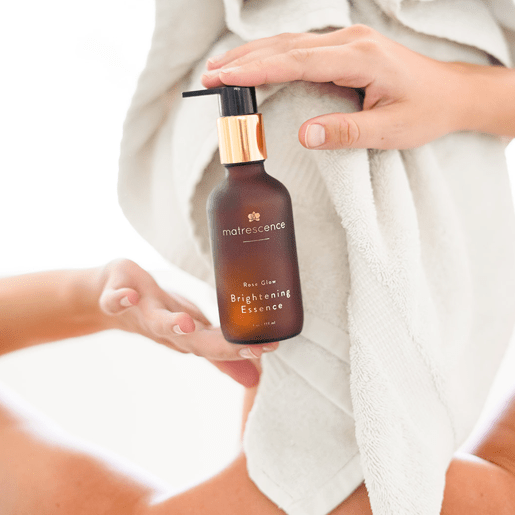
The Brightening Essence: A Hormone-Safe Serum for Radiant, Balanced Skin
A deep-dive of our Brightening Essence. A dual-action toner and serum that gently exfoliates and hydrates to reveal a vibrant, more even complexion. Formulated for hormonally shifting skin, it help...
Leave a comment
All comments are moderated before being published.
This site is protected by hCaptcha and the hCaptcha Privacy Policy and Terms of Service apply.