




Matrescence and Your Skin
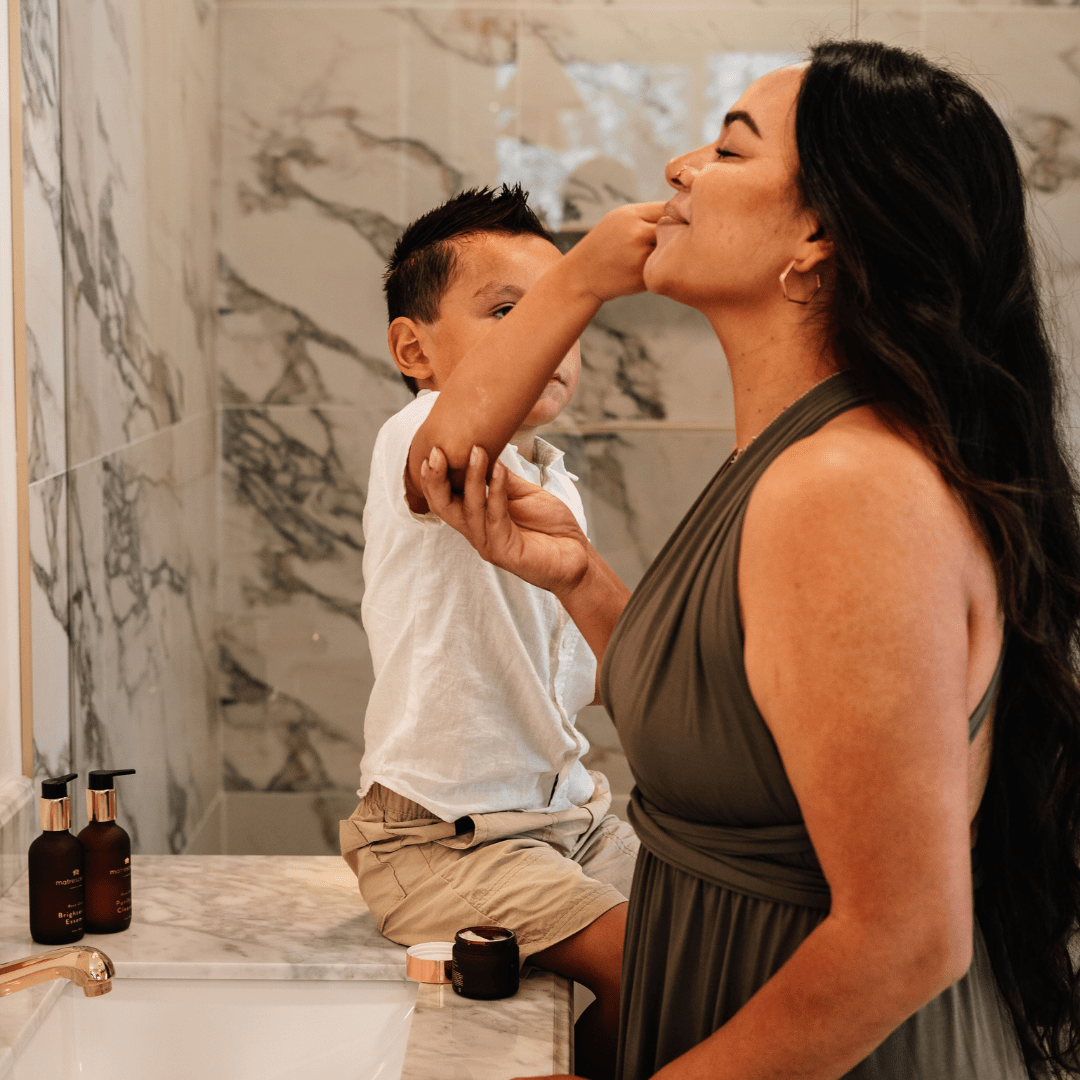
matrescence is the process of becoming a mother. The anthropologist Dana Raphael coined the word in 1973, and it works a lot like adolescence: your body, brain, hormones and sense of self all shift at once. Your skin is part of that. Here is what tends to change during pregnancy and after, and what you can safely do about it.
Plenty of us were promised a pregnancy glow and got breakouts, dullness or dark patches instead. That is normal. It is also manageable.
Pregnancy skin concern: acne
For many women, breakouts are one of the first signs of pregnancy. When we've asked our community, acne tops the list of skin worries. Hormonal shifts, especially early on, push your oil glands to produce more sebum, and that means clogged pores.
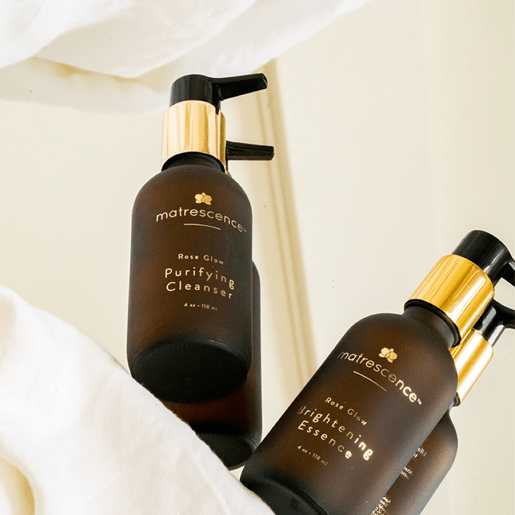
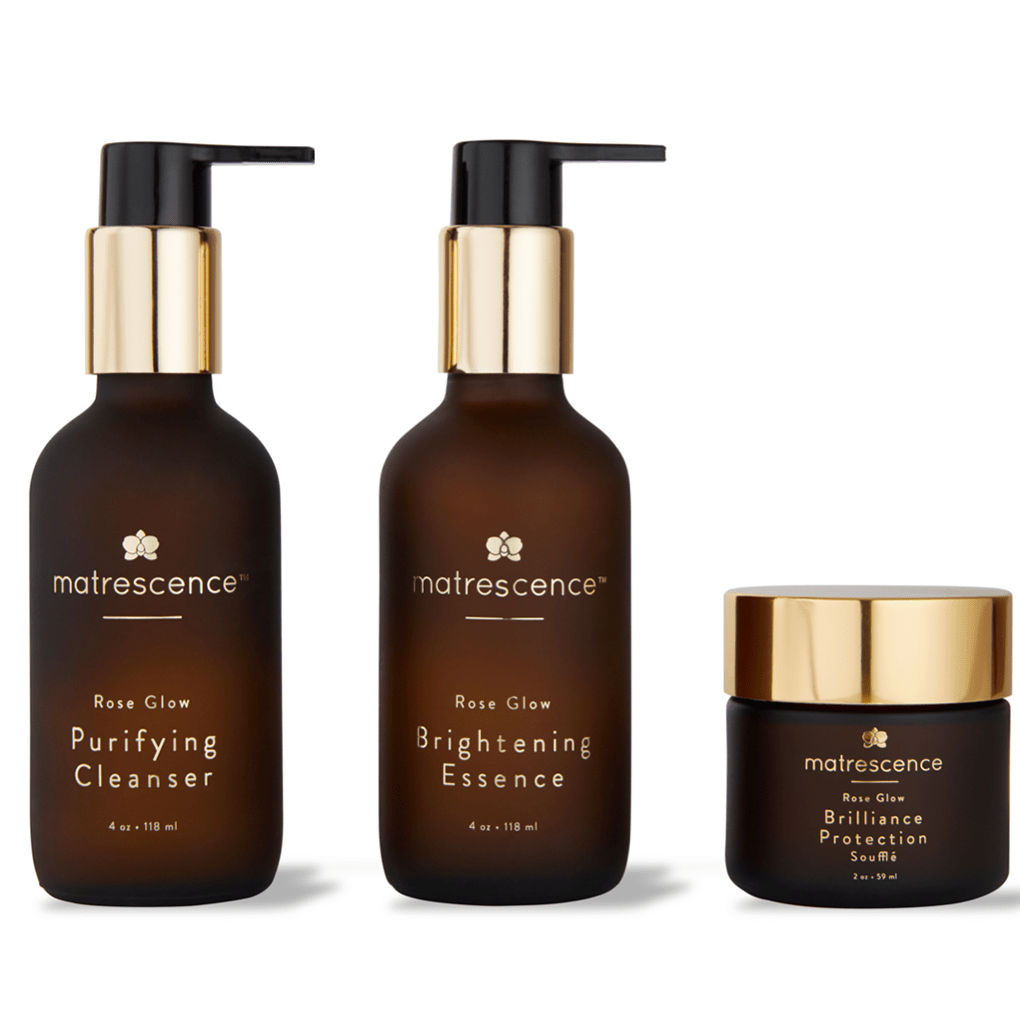
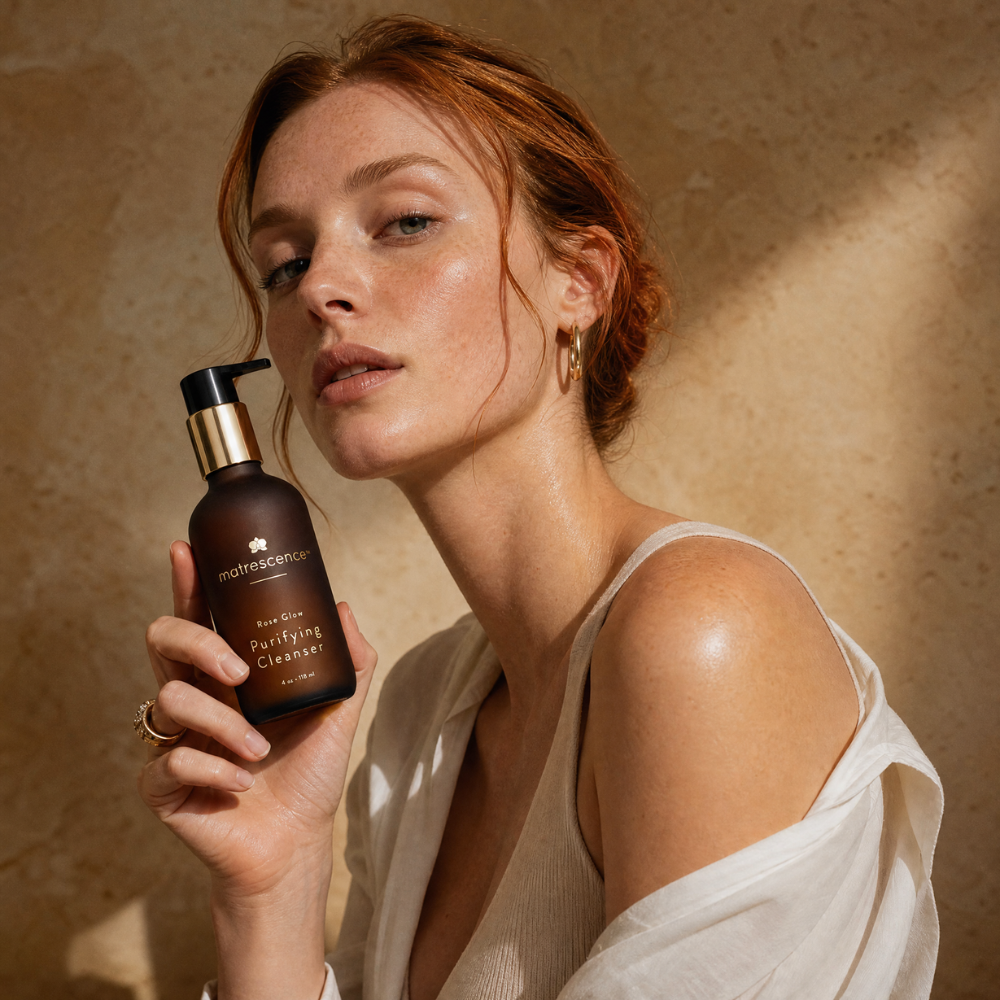
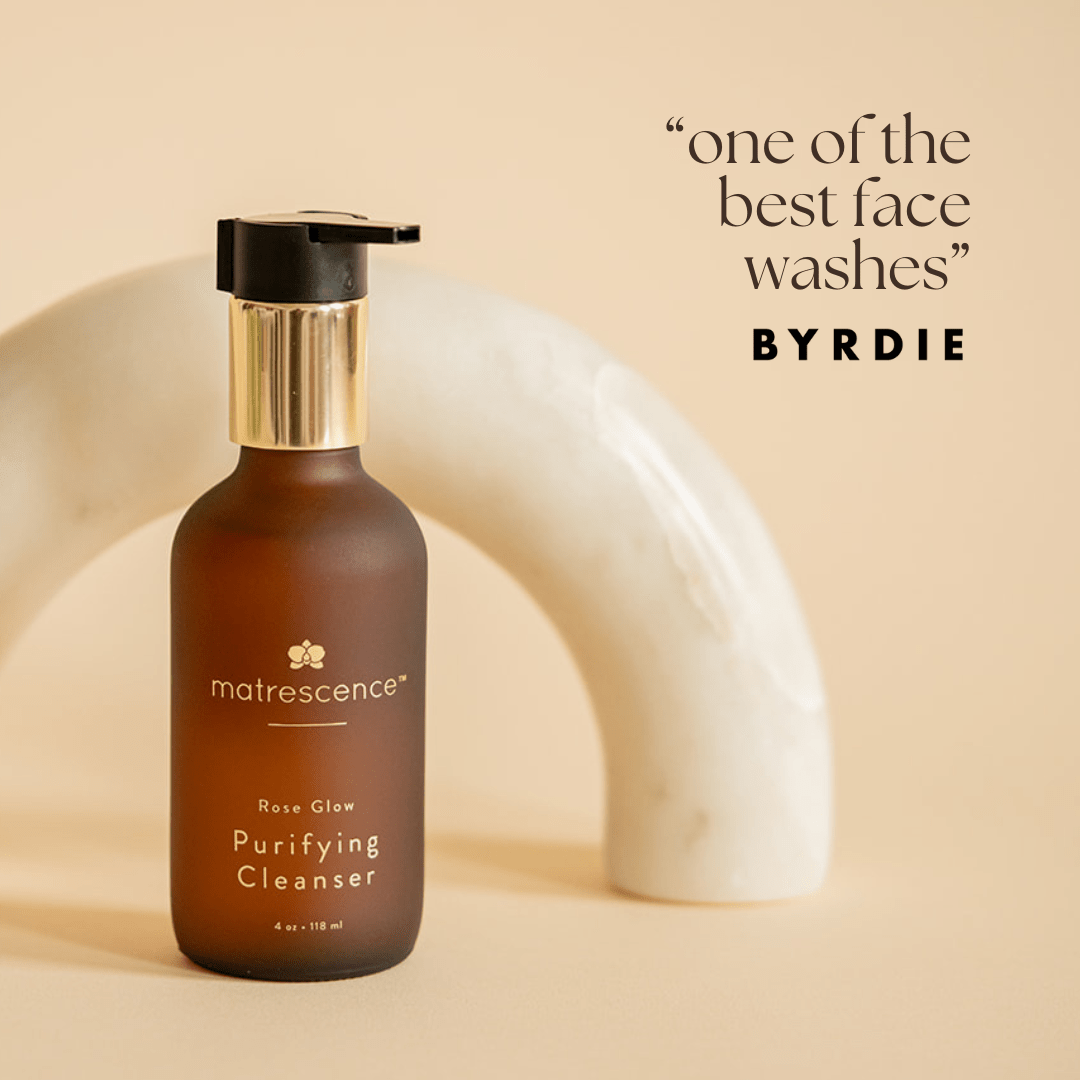
The catch: many go-to acne ingredients, including retinoids and high-dose salicylic acid, are commonly advised against in pregnancy, and some acne medications are off the table too. Look for a gentle cleanser made for acne-prone, sensitive skin that won't strip your natural oils, like The Purifying Cleanser. If your acne is severe or you're on prescription medication, check with your OB/GYN or doctor before you change anything.
See this post on Instagram
Pregnancy skin concern: melasma (chloasma)
Brown or gray-brown patches on your cheeks, forehead or upper lip? That is likely chloasma, the "mask of pregnancy." Melasma is the general term for this kind of hyperpigmentation; chloasma is melasma that shows up in pregnancy.
It can also appear while nursing or on birth control pills. The patches are usually larger than freckles, often symmetrical on both sides of the face, and sometimes show up on the arms or neck.
Chloasma isn't harmful, but it can make you feel self-conscious at a time when you already feel unlike yourself. It often lightens after birth, though not always. What helps:
- Daily sunscreen and less direct sun. UV makes it darker.
- Skipping ingredients you're told to avoid in pregnancy, like hydroquinone and retinoids.
- Pregnancy-safe brighteners such as vitamin C, which is an antioxidant that helps protect skin and visibly brightens.
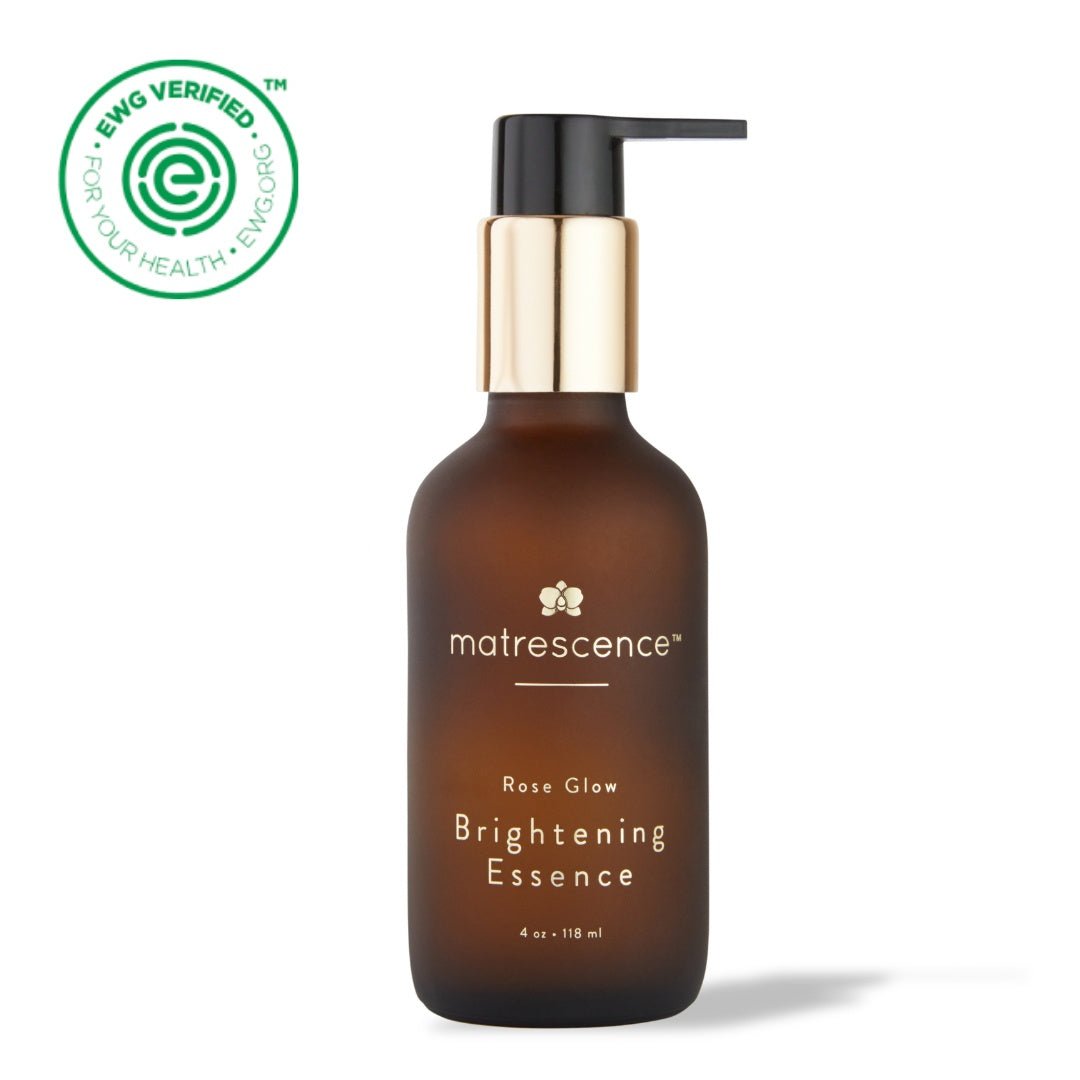
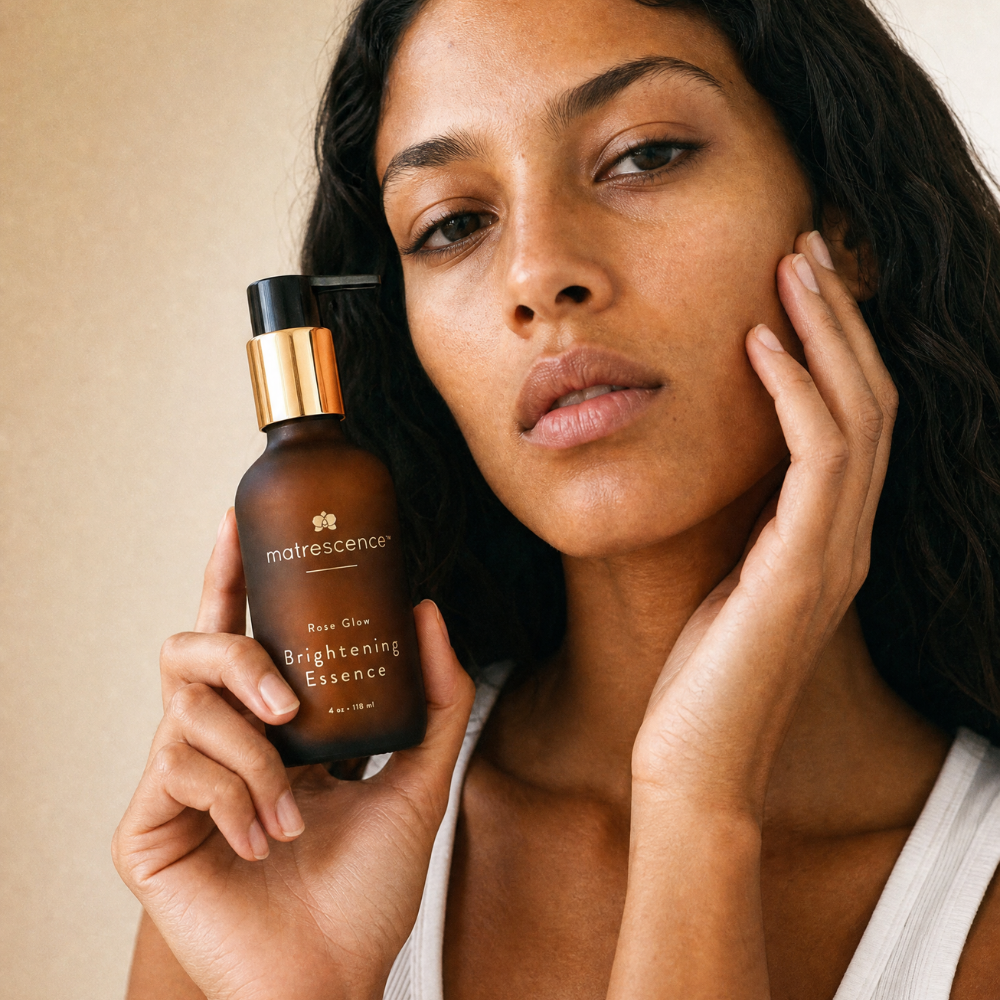
The Brightening Essence pairs vitamin C with lactic acid and bladderwrack (a pregnancy-safe alternative to retinol) to soften the look of dark spots and melasma. If the patches spread or change quickly, mention them to your OB/GYN or doctor.
See this post on Instagram
Pregnancy skin concern: linea nigra
The linea nigra is the dark vertical line down the center of your belly, caused by extra melanin. There is nothing you need to do about it, and it usually lightens on its own after birth. Keeping belly skin moisturized will keep it comfortable and less itchy while it's there.
Pregnancy and postpartum skin concern: stretch marks
Tiger stripes, love lines, whatever you call them: stretch marks are a record of your body doing something huge. Some women make peace with them. Others want them to look softer. Both are fine.
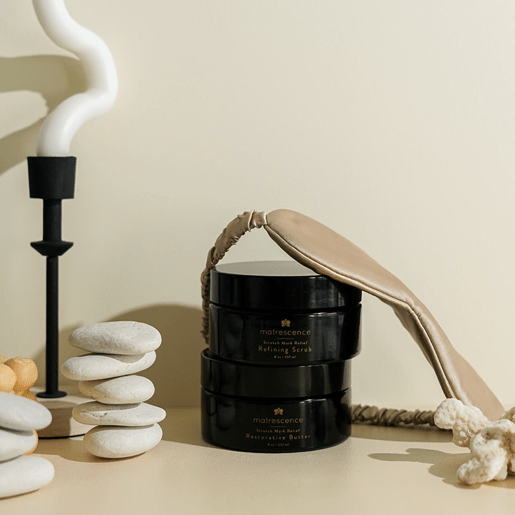
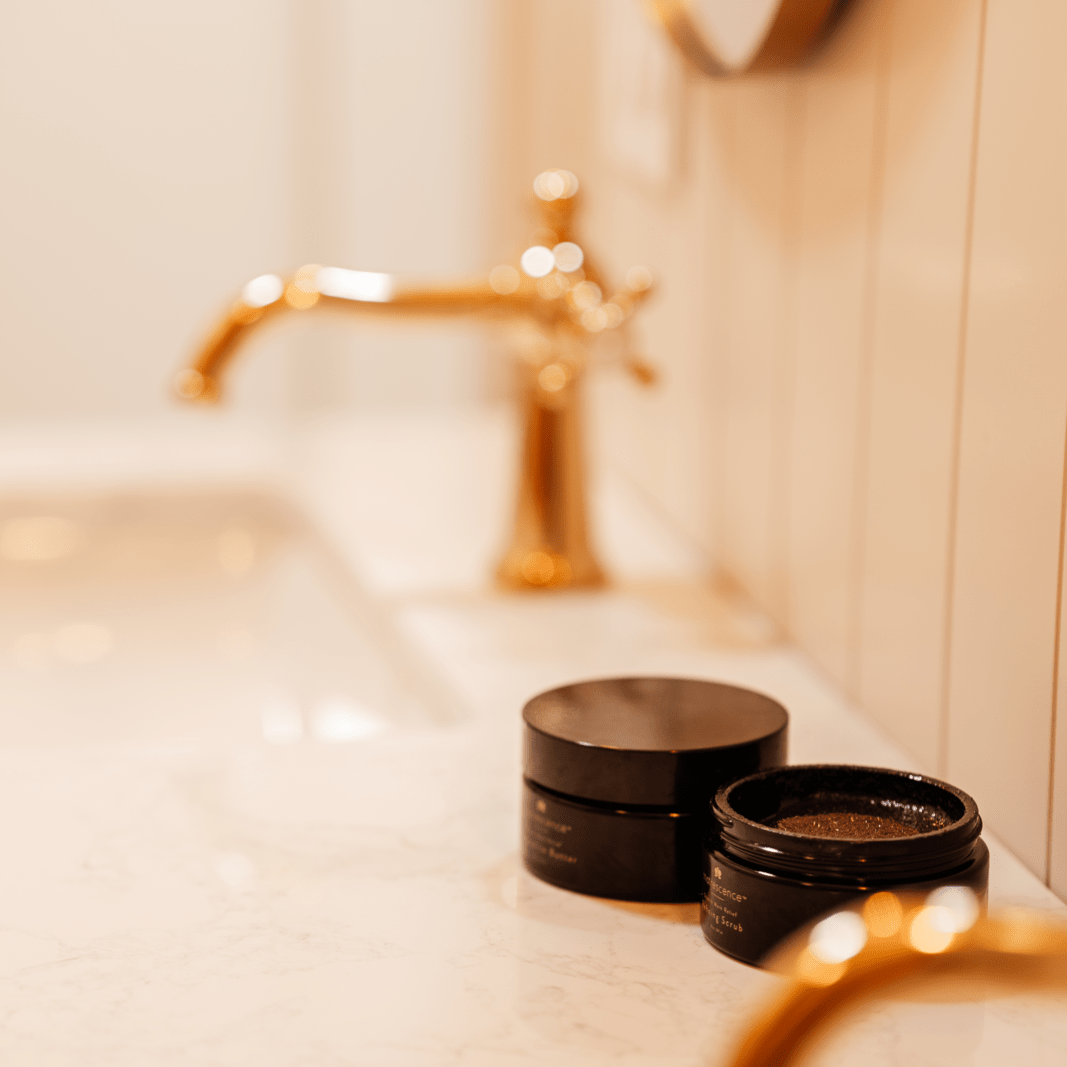
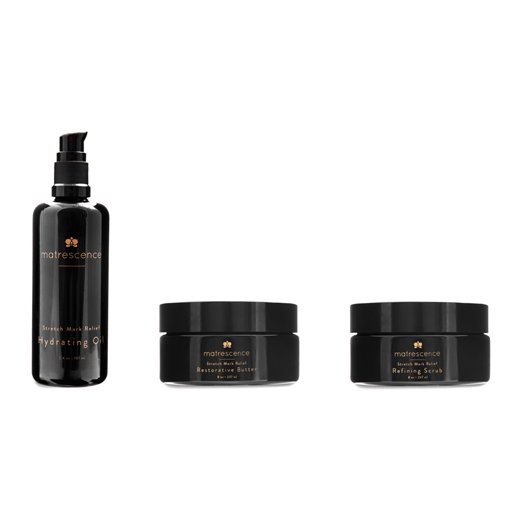
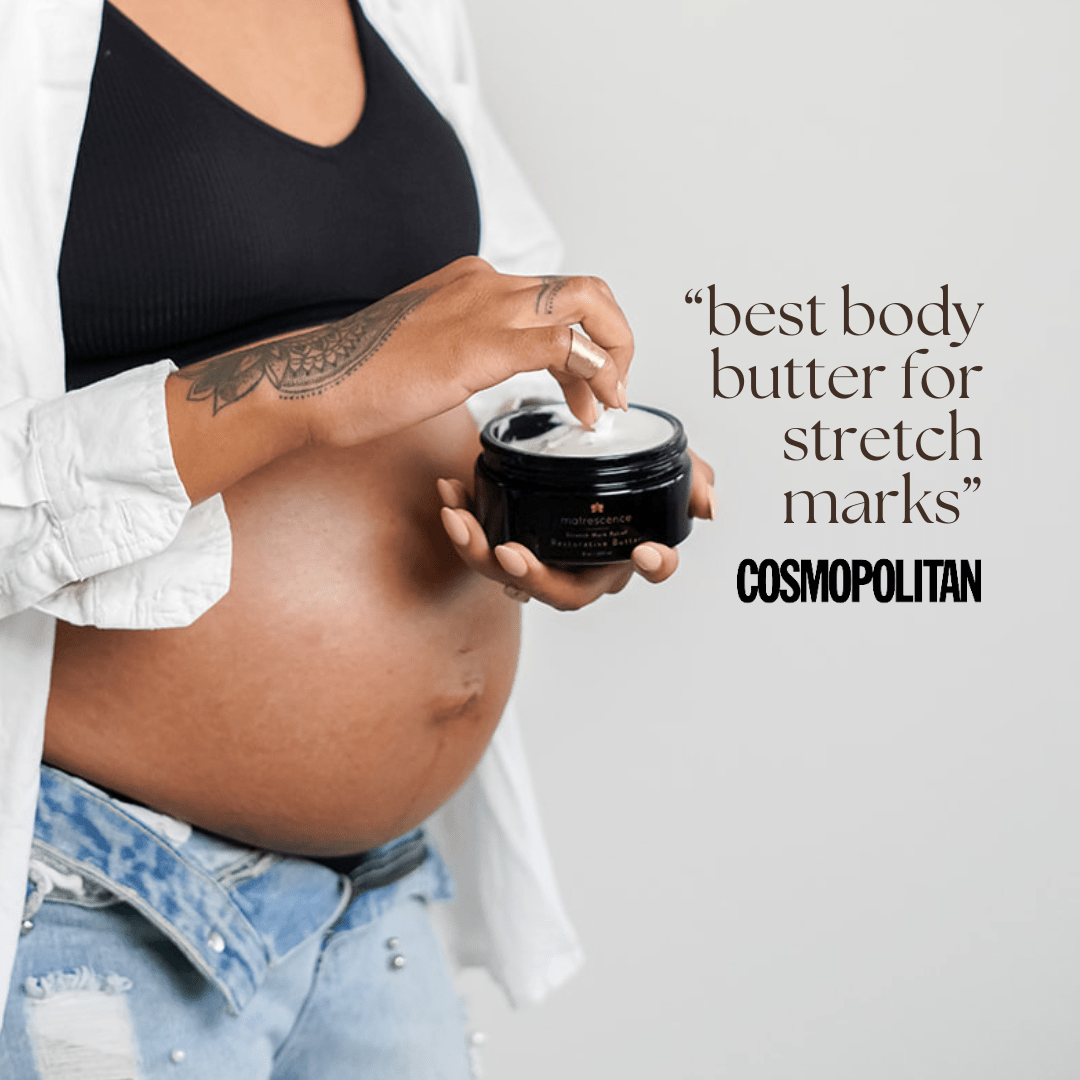
No cream can stop them entirely; genetics play a big part. What does make a difference is keeping skin hydrated and supple as it stretches, with rich, fragrance-free products used consistently. The Stretch Mark Relief Trio (scrub, butter and oil) hydrates, supports elasticity and helps reduce the appearance of stretch marks.
Pregnancy and postpartum skin concern: dry, itchy skin
A lot of us assume our bodies will go "back to normal" after the baby. They don't, not really, and not fast.
After birth, estrogen and progesterone drop sharply while prolactin and oxytocin rise. Those swings continue for months, and stress and no sleep pile on top. The result is often dry, tight, itchy skin, especially if you're breastfeeding.
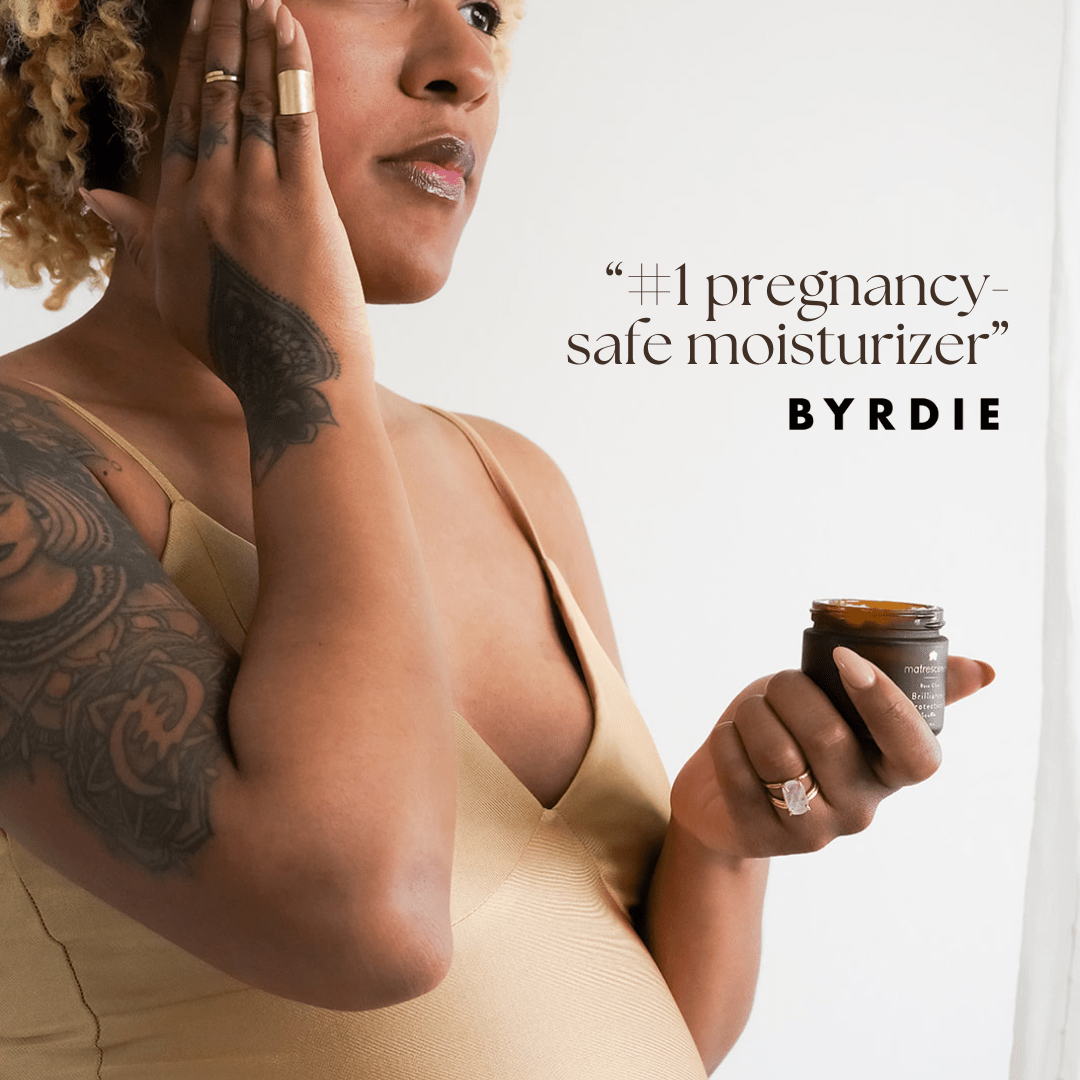
Drink water, keep showers lukewarm, and choose moisturizers with skin-friendly lipids like sunflower seed oil or sea buckthorn. The Brilliance Protection Soufflé hydrates your face and supports the skin barrier without clogging pores. For the rest of you, The Restorative Butter is rich enough for elbows, hips and belly.
Postpartum skin change: eczema
Postpartum skin can bring all of the above, plus eczema: inflamed, itchy patches on your face, hands or even nipples, driven by hormone shifts and stress. Avoid very hot or cold water, stick to gentle, fragrance-free products, and try to lower your stress (yes, we know). If it's spreading, cracking or affecting how you feed your baby, see your doctor.
The short version
Your skin is changing because you are. Most of these changes calm down with time, and in the meantime you have safe options that work. For breakouts and dark spots, start with The Rose Glow Skincare Set, a two-minute ritual.
See this post on Instagram
This is general information, not medical advice. Check with your OB/GYN or doctor about anything that worries you.
shop the ritual
hormone-safe skincare for every stage. these are the three most moms try first.
the guide
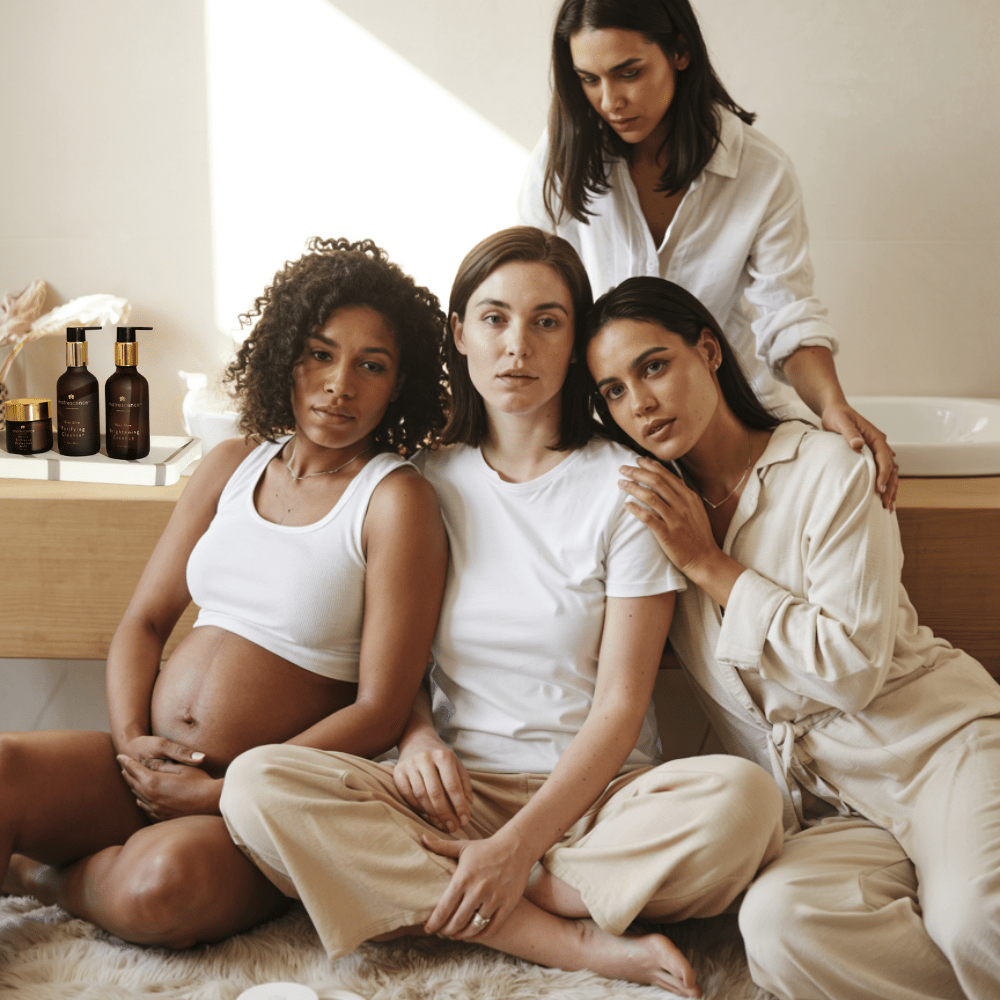
From PCOS to perimenopause, hormonal shifts happen at every life stage. Learn why hormone-safe skincare is a must, even if you’re not expecting.
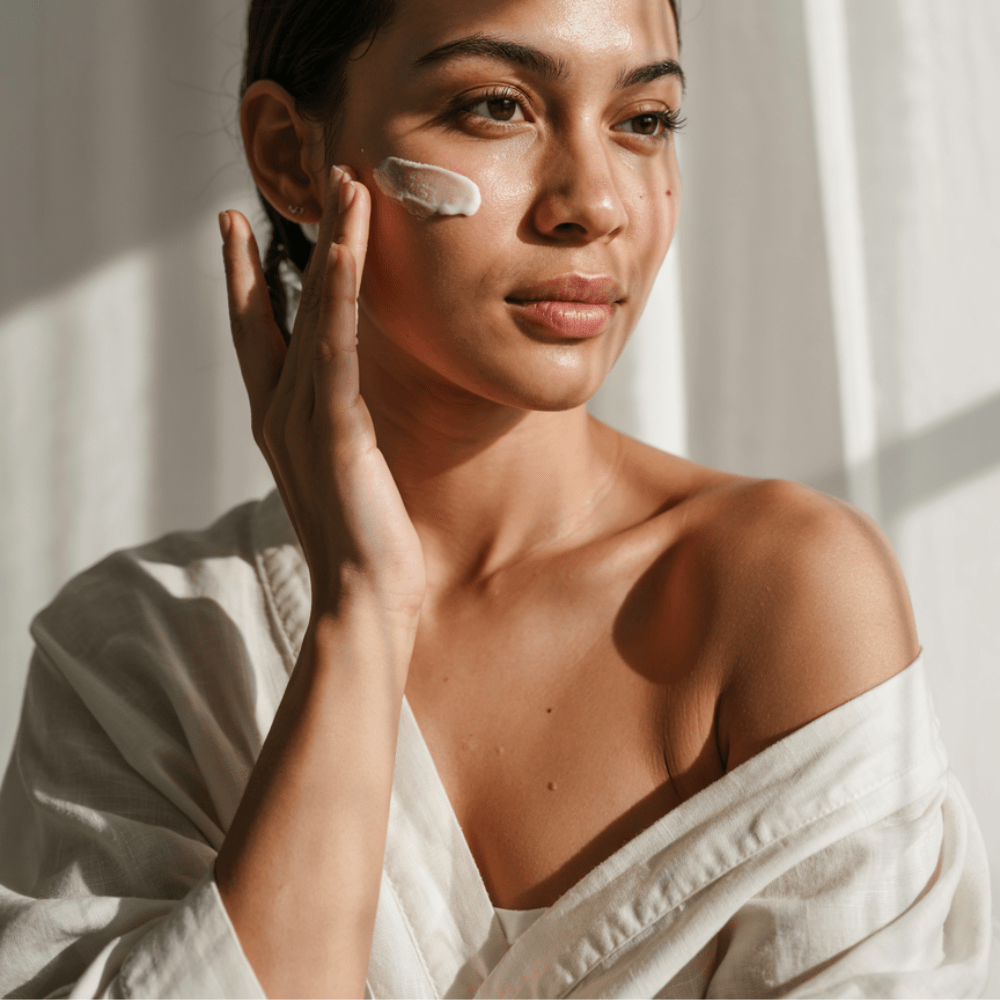
Whether you’re pregnant, postpartum, or perimenopausal, choosing the right ingredients makes all the difference. In this guide, we explain why endocrine disruptors matter, spotlight clean actives a...
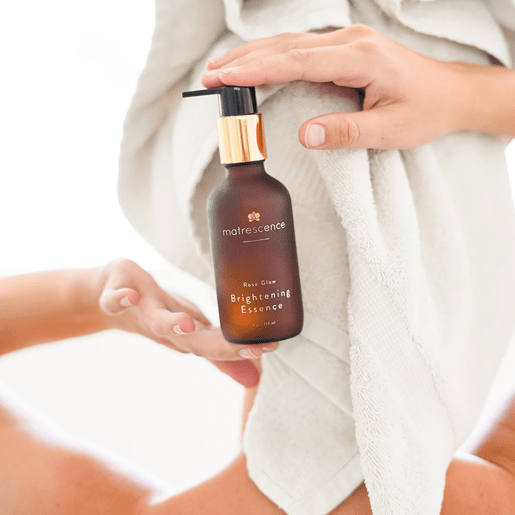
A deep-dive of our Brightening Essence. A dual-action toner and serum that gently exfoliates and hydrates to reveal a vibrant, more even complexion. Formulated for hormonally shifting skin, it help...
Leave a comment
All comments are moderated before being published.
This site is protected by hCaptcha and the hCaptcha Privacy Policy and Terms of Service apply.