





This is Matrescence
Maybe you've heard the word. Maybe it's new to you. Either way, here's what it means.
The anthropologist Dana Raphael coined the word matrescence in 1973. It's showing up everywhere now, but you already know the feeling.
When we picture becoming a mother, most of us picture pregnancy or birth. But when your child is born, so are you, as “mom.” I will never forget when a mom friend first said to me, “your firstborn’s birthday is your “birth” day too, mama.”
What matrescence means
Matrescence is the process of becoming a mother, from the Latin “mater” (mother) and “-escence” (becoming). It works like adolescence: your body, brain, relationships and sense of self all shift through pregnancy, birth and the early postpartum months, and none of it runs on a schedule.
See this post on Instagram
Most parenting talk still centers on the baby. But the changes a new mother goes through are physical, emotional, mental and social. Some reach the cellular level: cells from your baby can stay in your body for years after birth. That's a lot to absorb, and it's why new moms need real support during this stage.
The physical changes get the attention. The emotional ones often don't. Joy, fear, anxiety, exhaustion and sadness can all show up in the same week, and none of it means something is wrong with you. I remember feeling deep shame around my inability to bond with my first baby in the weeks following our traumatic delivery and prolonged NICU stay. It was only later that I learned that the changes in my body and brain were normal, and that there was help out there.
See this post on Instagram
Five ways to get more support through it
1. Expect change, and go easy on yourself
Your priorities may shift. You might rethink your career, your relationship, your friendships, how you see the world. New interests may show up and old ones may drift. Get curious about these changes instead of judging them.
See this post on Instagram
2. Tell your people what you need
The early postpartum weeks can be overwhelming, exhausting and lonely. Your partner, family and friends may not know you're struggling unless you say so. Make a short list of people you can call in a pinch, and talk to them before you need them about what would help: a meal, a night feed, an hour so you can sleep. Maternal mental health support is out there too. Nobody is meant to parent alone.

3. Take real breaks
Parenting is a job, especially in the early days, and every job needs breaks. Aim for 30 minutes a day that belong only to you. A solo errand. A two-minute skincare ritual. Locking the bathroom door and having a good cry (we've all done it). Let yourself miss the person you were before, and get to know the one you're becoming.
Ups and downs are expected. Every big change in life brings both, and motherhood tends to make that louder than anything else.

4. Skip the “bounce back”
Rest and recovery come first. You don't owe anyone a fast return to your pre-baby body or schedule. Rejecting bounce-back culture means accepting that every postpartum recovery looks different, and that your changing body and mind are not a problem to solve.
See this post on Instagram
5. Check in on your mental health
Do regular, honest check-ins with yourself. Stress and exhaustion can sometimes tip into something that needs medical care, and that is more common than you'd think: nearly 1 in 5 new moms experience postpartum mental health struggles. Learn the signs of postpartum depression and anxiety, and if your mood feels heavy for more than a couple of weeks, talk to your OB/GYN or doctor. Postpartum Support International is a good place to start.
Matrescence names a change women have always gone through. You grow, you change, you laugh and you cry. The more we say the word out loud, the easier it gets to support ourselves and each other through it.
See this post on Instagram
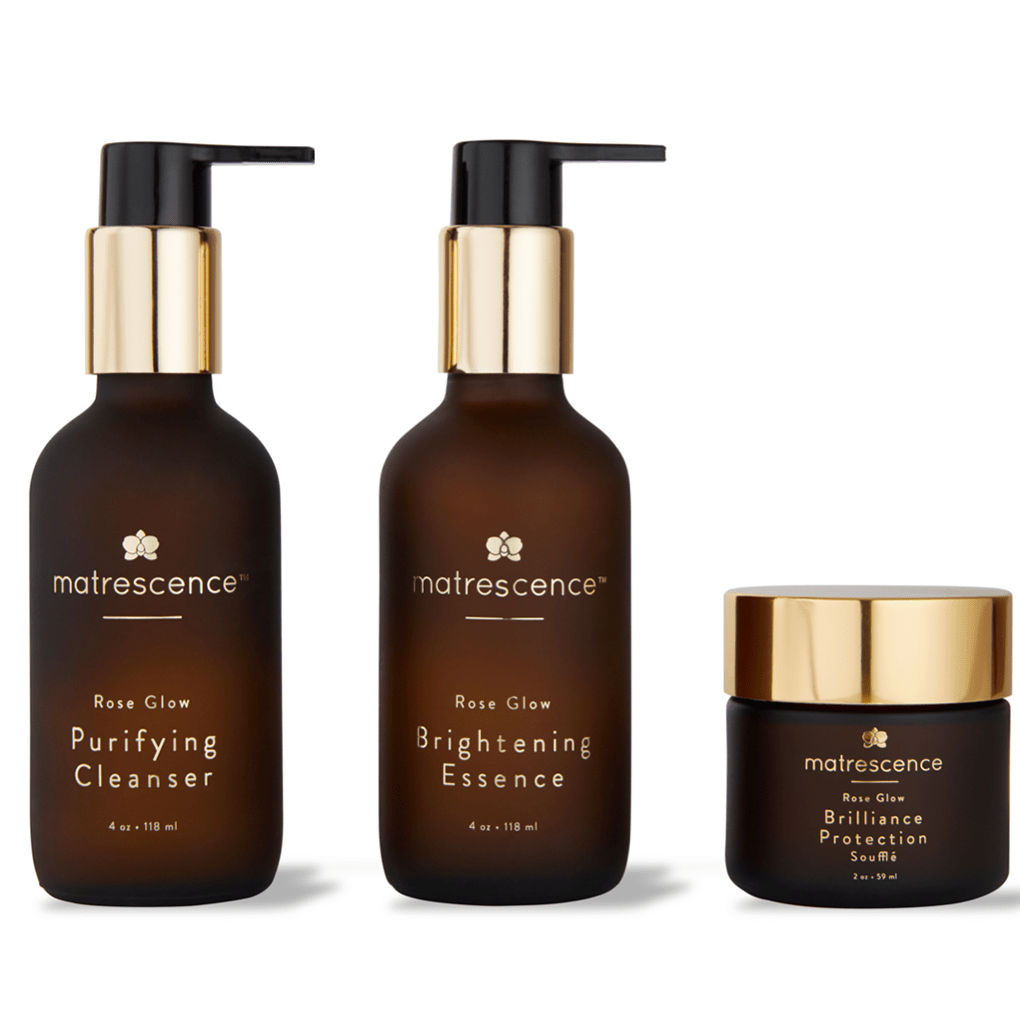
If a small daily reset would help, start with the two-minute Rose Glow Skincare Set.
shop the ritual
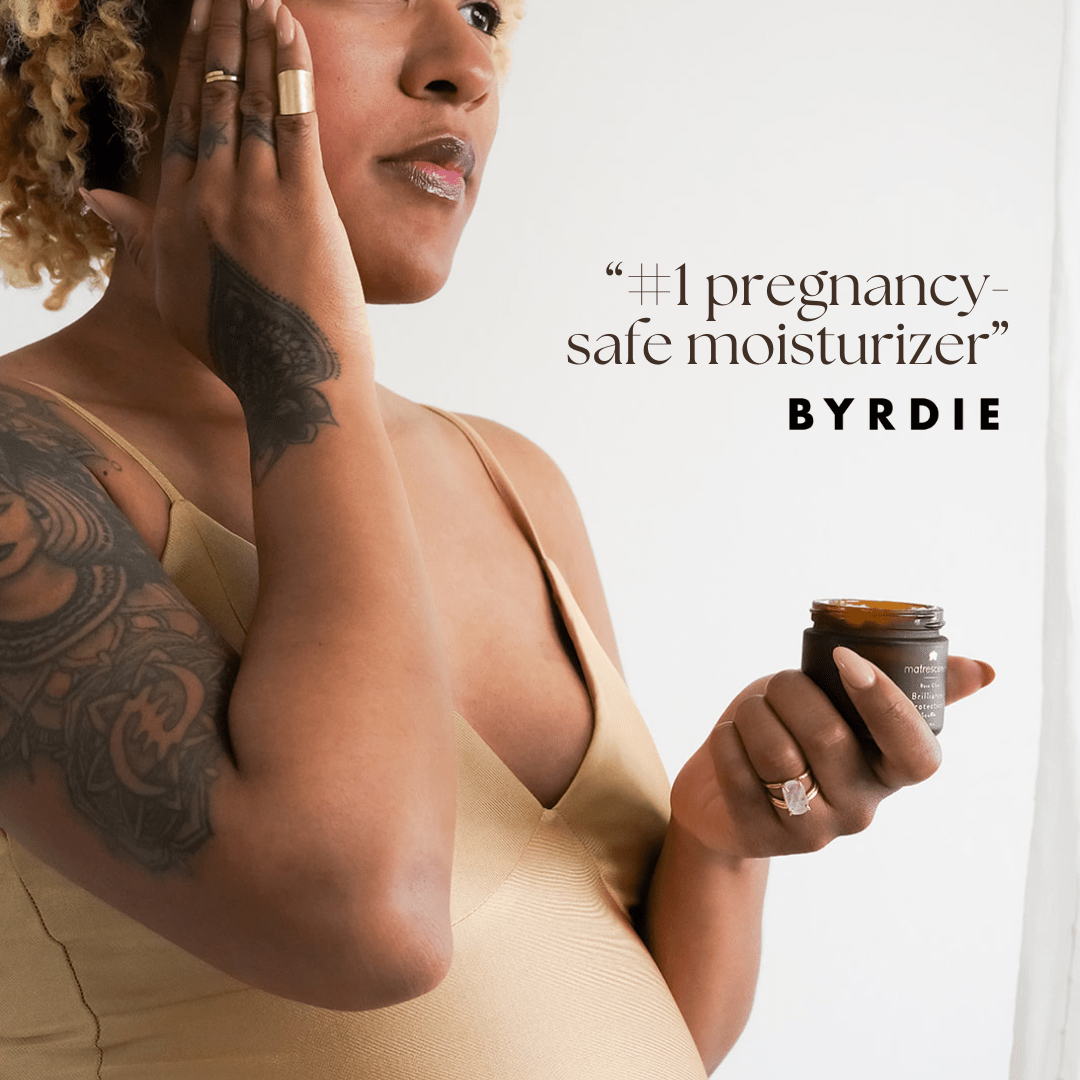
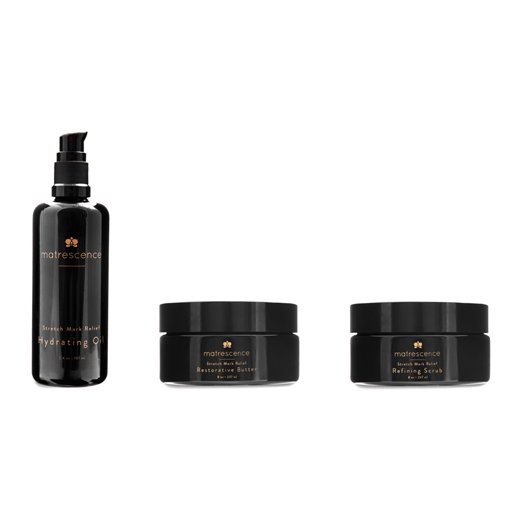
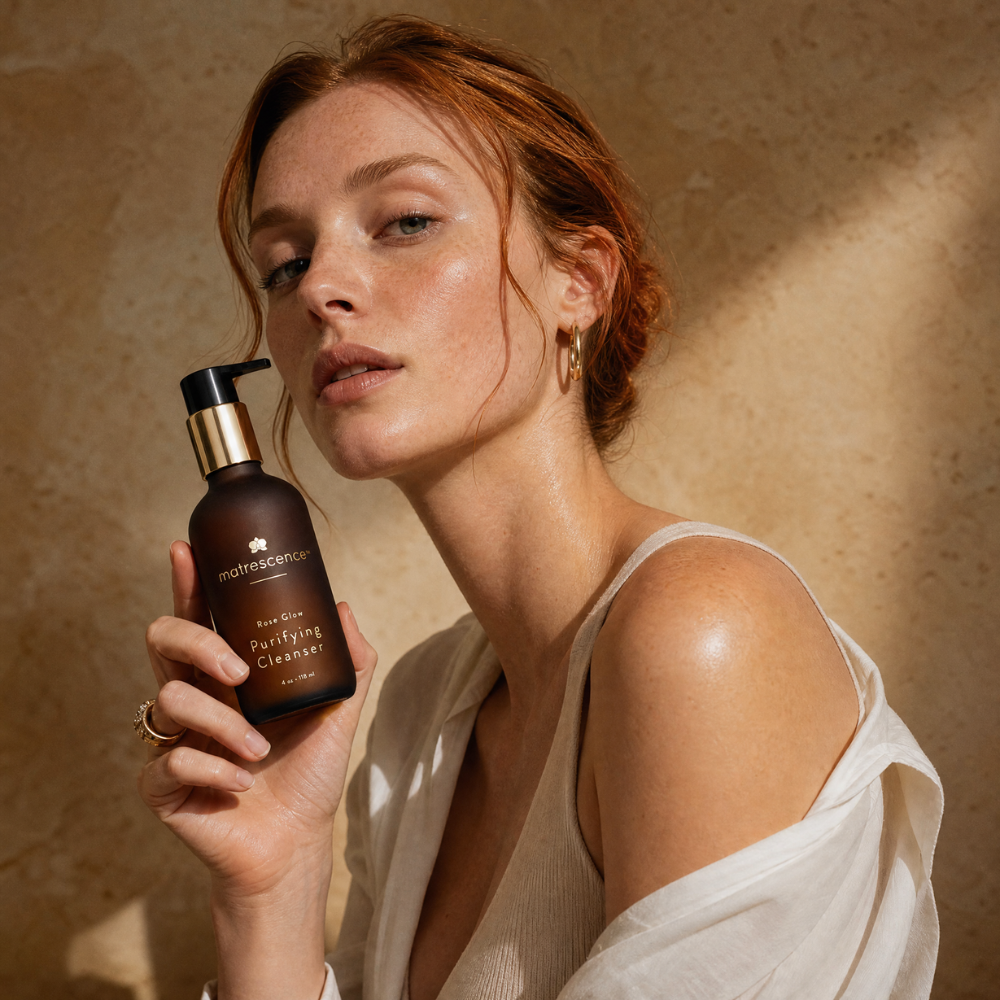
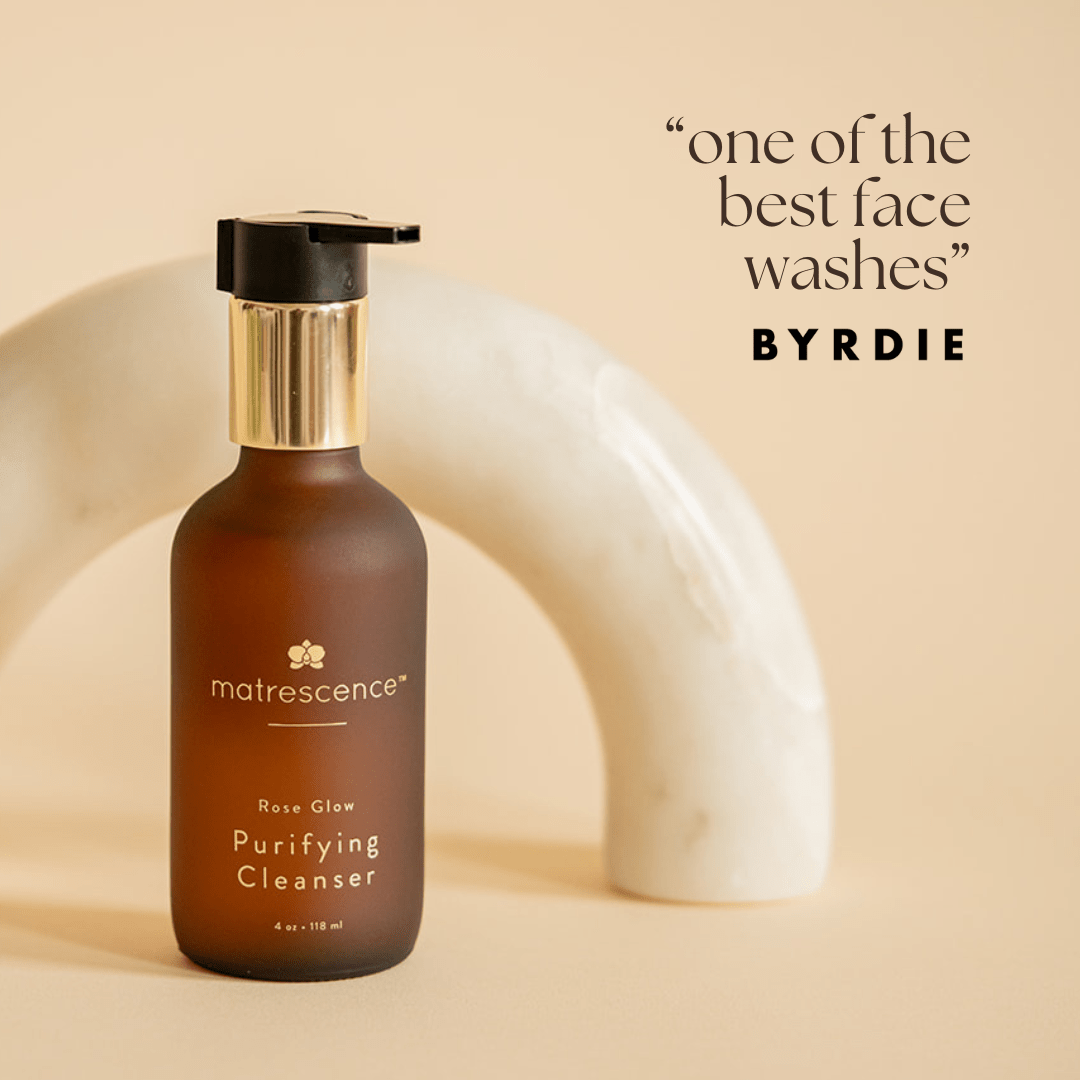
hormone-safe skincare for every stage. these are the three most moms try first.

the guide
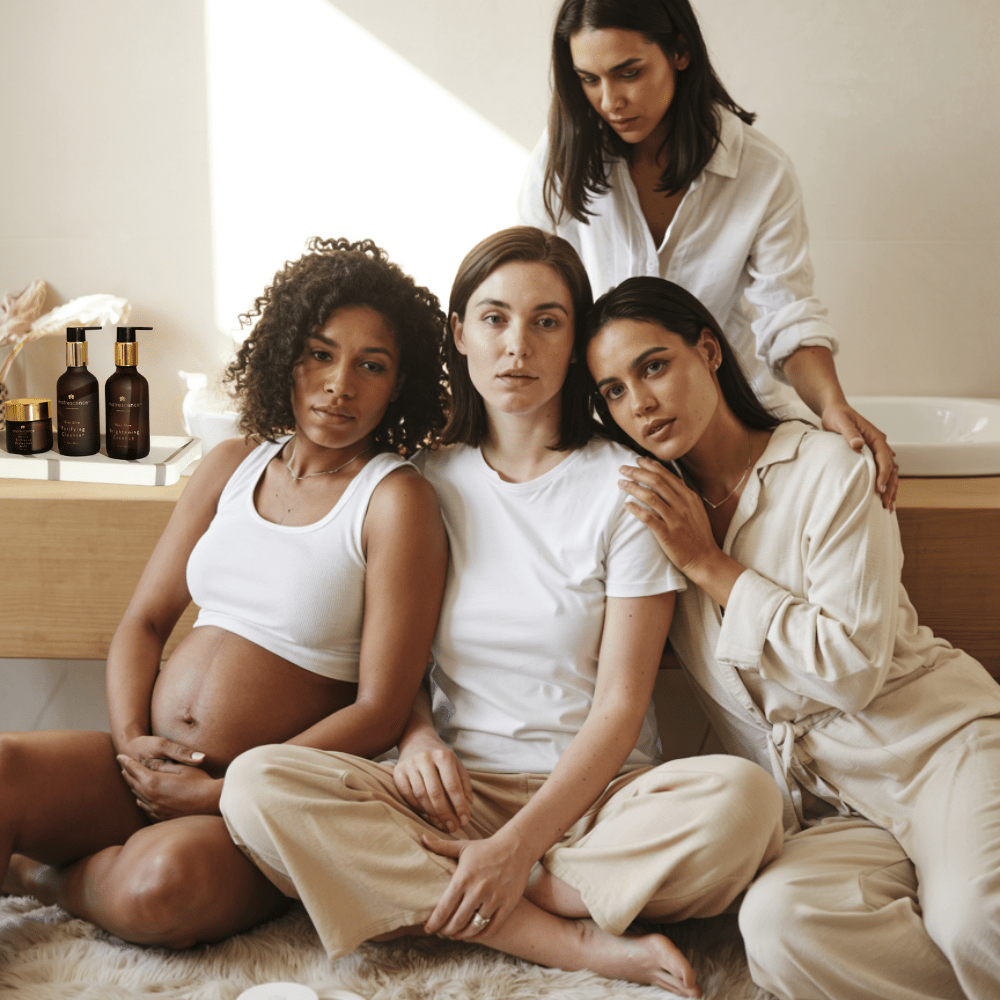
From PCOS to perimenopause, hormonal shifts happen at every life stage. Learn why hormone-safe skincare is a must, even if you’re not expecting.
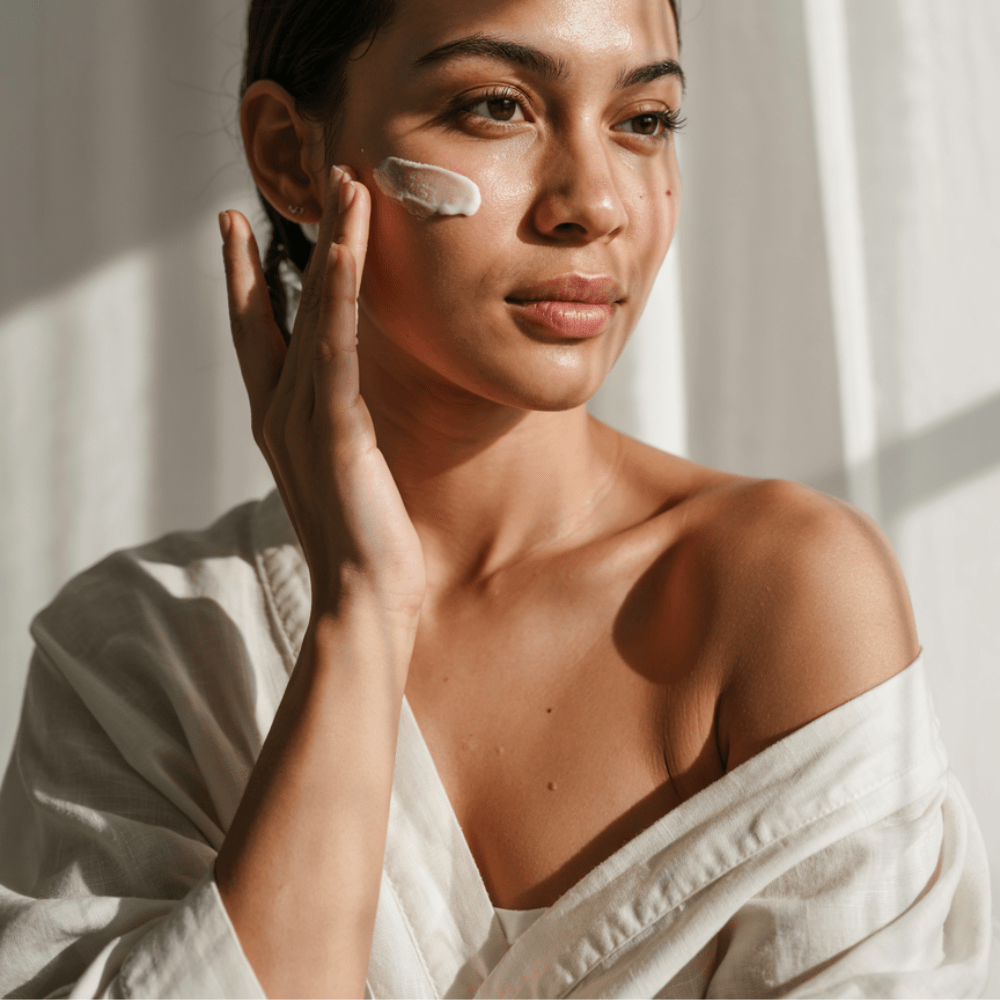
Whether you’re pregnant, postpartum, or perimenopausal, choosing the right ingredients makes all the difference. In this guide, we explain why endocrine disruptors matter, spotlight clean actives a...
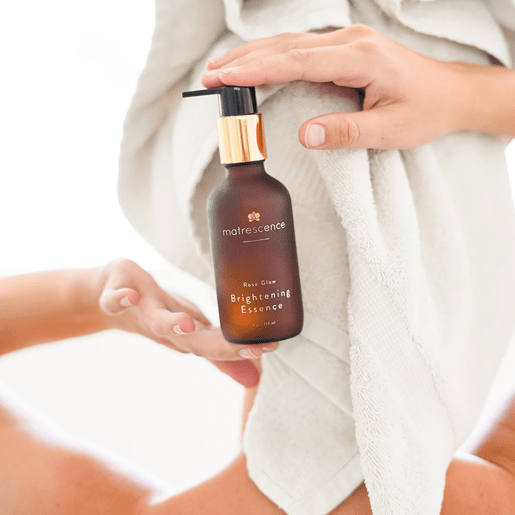
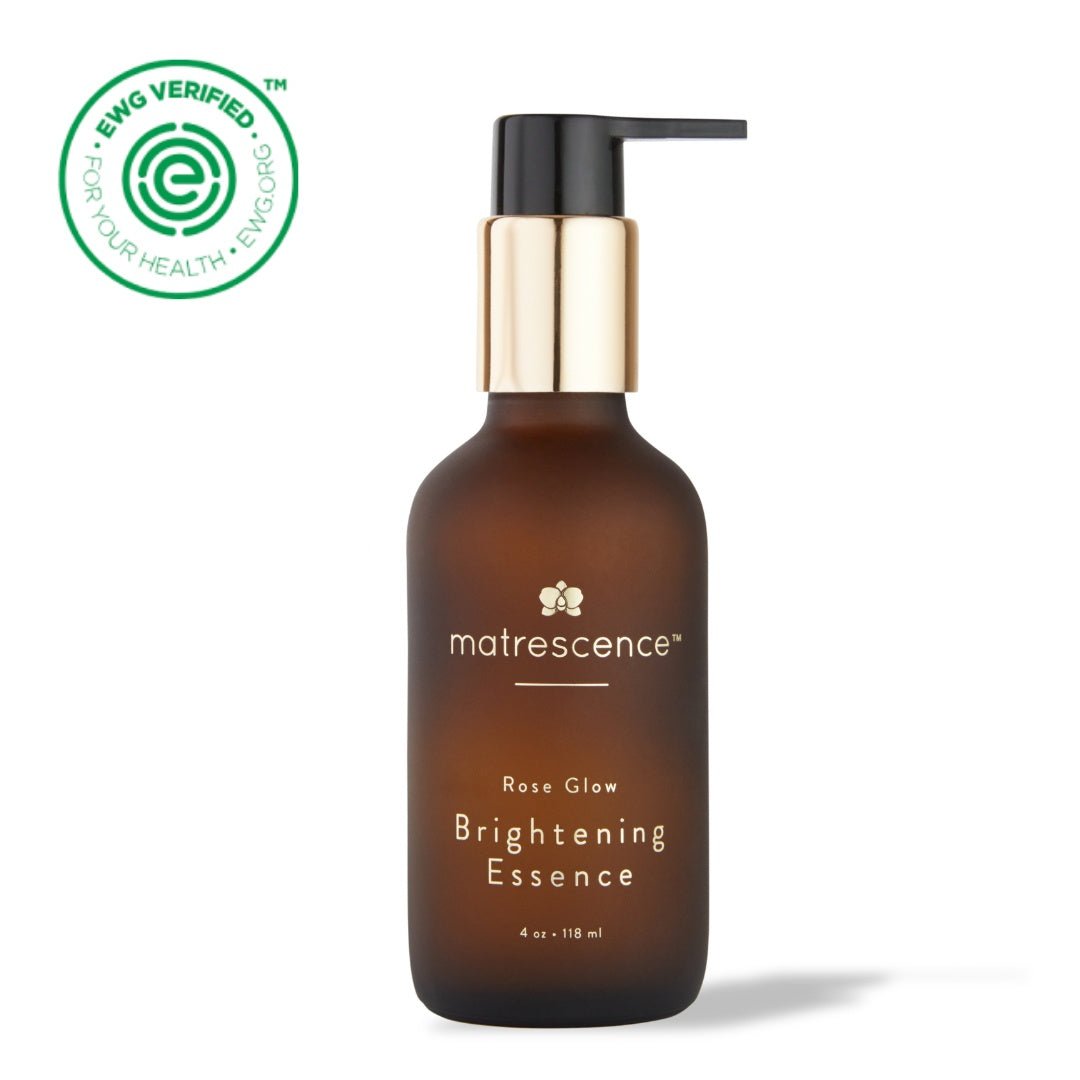
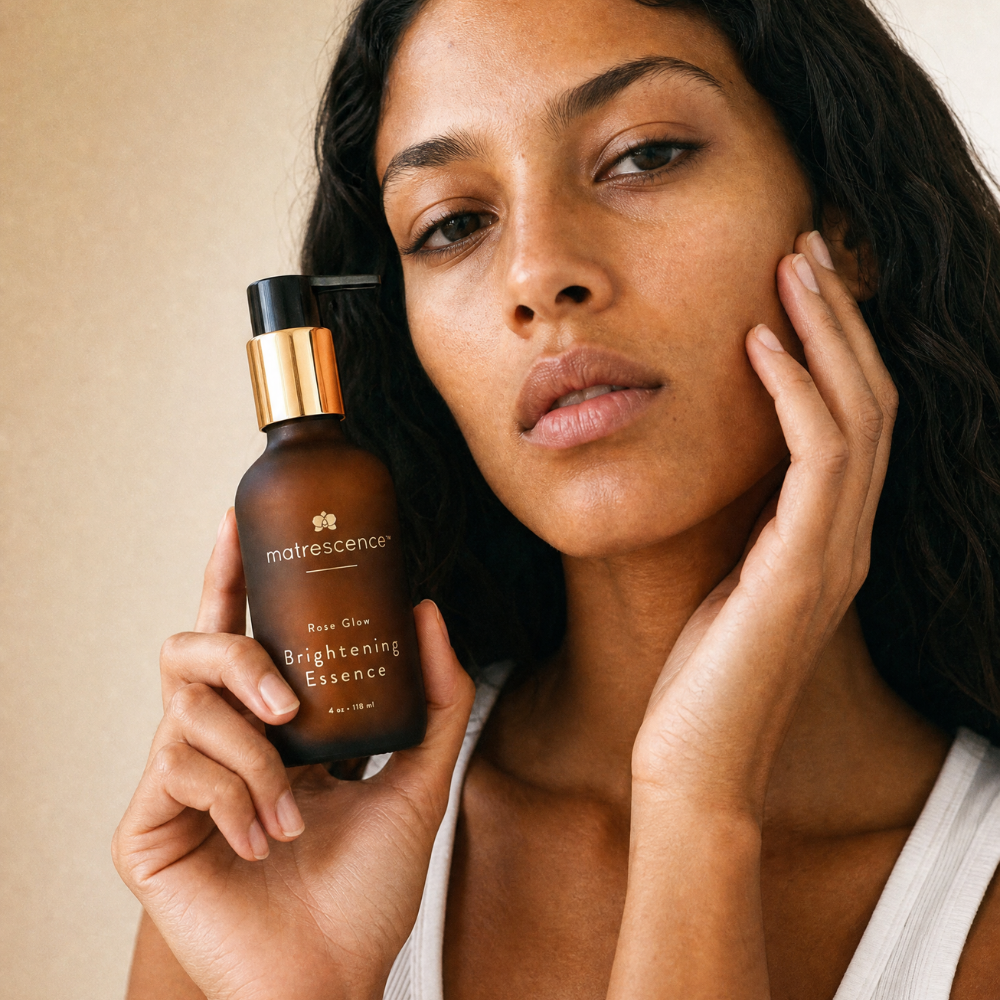
A deep-dive of our Brightening Essence. A dual-action toner and serum that gently exfoliates and hydrates to reveal a vibrant, more even complexion. Formulated for hormonally shifting skin, it help...
Leave a comment
All comments are moderated before being published.
This site is protected by hCaptcha and the hCaptcha Privacy Policy and Terms of Service apply.