




Dry Brushing After Baby: Why Your Postpartum Body Needs This Ritual Even More
The Fourth Trimester: Where Dry Brushing Becomes Recovery
So you picked up dry brushing during pregnancy and loved it — felt the difference, maybe even started craving those five quiet minutes before the shower. And now baby is here, the brush is somewhere behind the diaper cream, and the shower itself feels like a luxury. We get it.
But here’s the truth: your postpartum body — the body in the thick of matrescence — may need this practice even more.
After delivery, your body goes through a major fluid shift. The extra water you carried during pregnancy has to leave. Your kidneys ramp up, you sweat through your sheets, and estrogen and progesterone drop fast — from all-time highs to near-menopausal levels within days.
And your lymphatic system doesn’t just snap back. It’s recalibrating after months of compression, working to move residual fluid, support immune function, and clear the byproducts of a body in rapid transition.
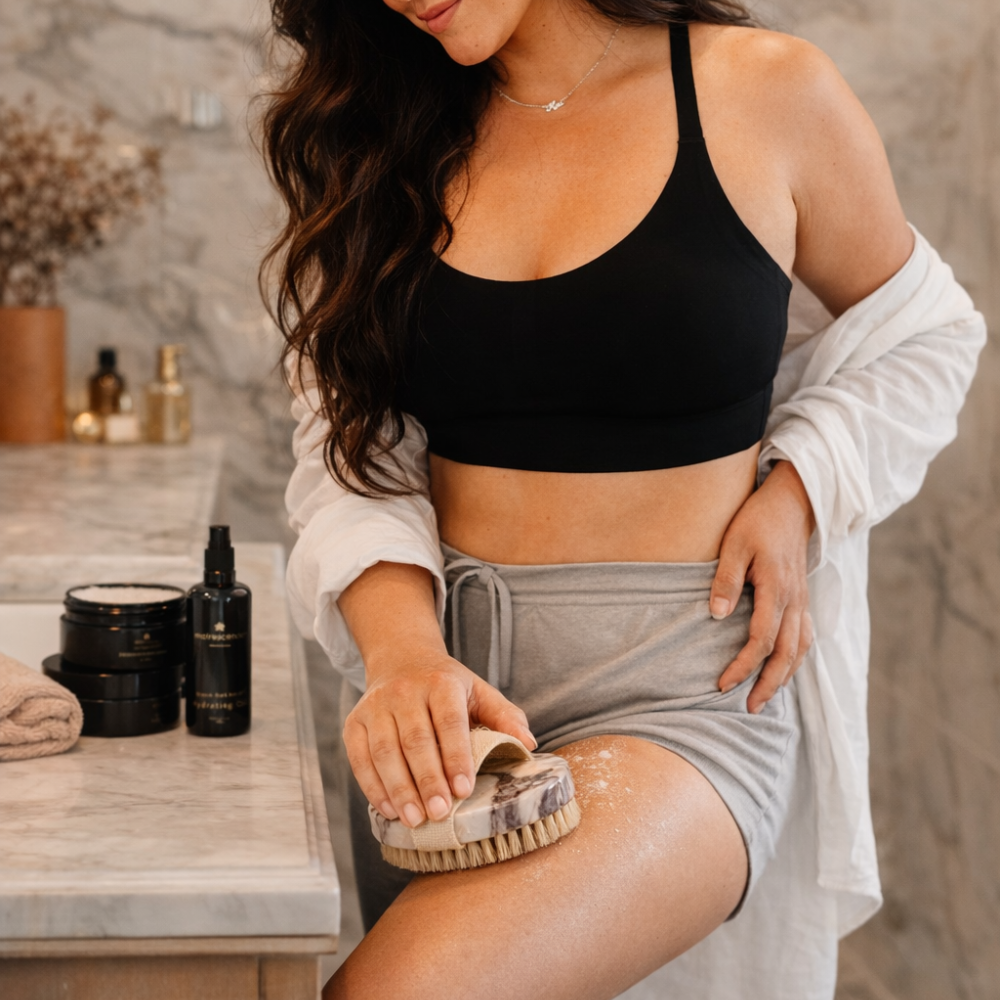
That’s where gentle dry brushing can help — especially in the early weeks postpartum. Starting with legs, arms, and back (and avoiding any incision sites), dry brushing offers three practical supports: it nudges circulation when you’re more sedentary, encourages lymph flow when your system is still recovering, and gives you a few minutes of intentional, embodied self-care during a season when your body can feel entirely in service to someone else.
That last part matters. Researchers describe postpartum as a time when attention “zooms in” so intensely on the baby that moms can lose connection with their own physical experience. Dry brushing is, at its core, a practice of returning to your body — of saying: this body is still mine.

“Bouncing back” is a myth. Recalibrating is real.
During pregnancy, blood volume rises significantly and your body holds onto liters of water. Every system expands — circulatory, lymphatic, hormonal, musculoskeletal — to support new life. Postpartum, all of that begins to reverse, but not overnight and not neatly.
In the first couple of weeks, fluid clearance can feel dramatic: increased urination, night sweats, lingering puffiness (sometimes even worse right after delivery). Your lymphatic system is finding its rhythm again, and it takes time.
Your skin is shifting too. Hormones can trigger dryness, sensitivity, dullness, or breakouts — sometimes all at once. It’s common to feel like your skin belongs to a stranger. A simple ritual won’t “fix” your body — your body isn’t broken — but it can support the transition already underway.
How dry brushing supports fourth-trimester recovery
It gives circulation a small assist. Early postpartum involves a lot of sitting and lying down. That rest is necessary — but movement-driven circulation slows. Gentle, rhythmic brushing can stimulate surface blood flow when your body could use the boost.
It helps your skin barrier do its job. Hormonal drops can make skin drier and more reactive. Dry brushing lightly exfoliates so moisturizer absorbs better. If lotion feels like it’s just sitting there, this may be why: exfoliate first, then hydrate.
It can ease the “heavy” feeling. Dry brushing isn’t a medical treatment for edema — but many moms find it supportive alongside hydration, movement, and elevation, especially for legs and ankles that feel waterlogged or sluggish.
It reconnects you to yourself. This is hard to measure and easy to dismiss — until you’ve lived it. Postpartum can reduce you to tasks: feeding, soothing, healing, repeating. Five minutes of deliberate, full-body touch is a way of re-establishing contact with you.
The postpartum dry brushing routine (adapted for real life)
Your pregnancy routine may have been calm and consistent. Postpartum is…not. The ritual adapts to you.
When to start: Many moms feel comfortable starting a few days to a week after a vaginal delivery if they’re up to it. If you had a C-section, wait for provider clearance — and avoid any incision areas until fully healed.
The adjusted routine:
Feet + legs first: long upward strokes from ankles. Spend an extra 30 seconds here if swelling is lingering.
Arms next: palms to shoulders, light strokes toward the heart.
Back + shoulders (optional): only if you can reach comfortably or have assistance.
Belly — when you’re ready: this is personal. If you do it, use the lightest touch and keep it gentle. If it doesn’t feel right physically or emotionally, skip it or use the silk body glove instead.
Shower + moisturize: apply the hydrating oil or restorative body butter while skin is slightly damp. Postpartum skin is often thirstier than ever.
How often: 2–3x/week is a great rhythm. If that feels like too much, once a week still counts. Consistency over intensity — always.
For C-section moms: scar care is a separate conversation
C-section recovery guidance is often minimal, even though it’s major surgery. Scar tissue can adhere to surrounding structures and nerves can heal with numbness, hypersensitivity, or “phantom itch.”
That’s where scar desensitization comes in — not as part of your general dry brushing routine, but as a clinician-supported approach to help the nervous system tolerate touch again.
How to start (after clearance, typically around 6–8 weeks):
Begin with indirect contact around the scar (above/below/sides), not on the incision line.
Use very soft textures first, then slowly progress over time as comfort increases.
Eventually, you can move toward gentle direct contact and scar mobility work if needed.
Your Postpartum Brushing Cheat Sheet
Start: A few days to a week postpartum (vaginal), or after provider clearance (cesarean). Begin with legs and arms.
Avoid: Incision sites, stitches, any tender or healing areas, varicose veins.
Pressure: Light. Lighter than you think. The "pink, not red" rule still applies — your postpartum skin may be even more reactive than your pregnancy skin was.
Frequency: 2–3 times per week. Once a week is still wonderful. Consistency over perfection.
Always follow with moisture: Oil or body butter on damp skin. Your skin has never been thirstier.
Scar desensitization: Separate practice, start after full incision closure and provider clearance. Begin indirect (around the scar), progress gradually. Keep soft textures near your feeding station.
The only rule that really matters: If it feels good, it's working. If it doesn't, adjust. This is your ritual.
the guide
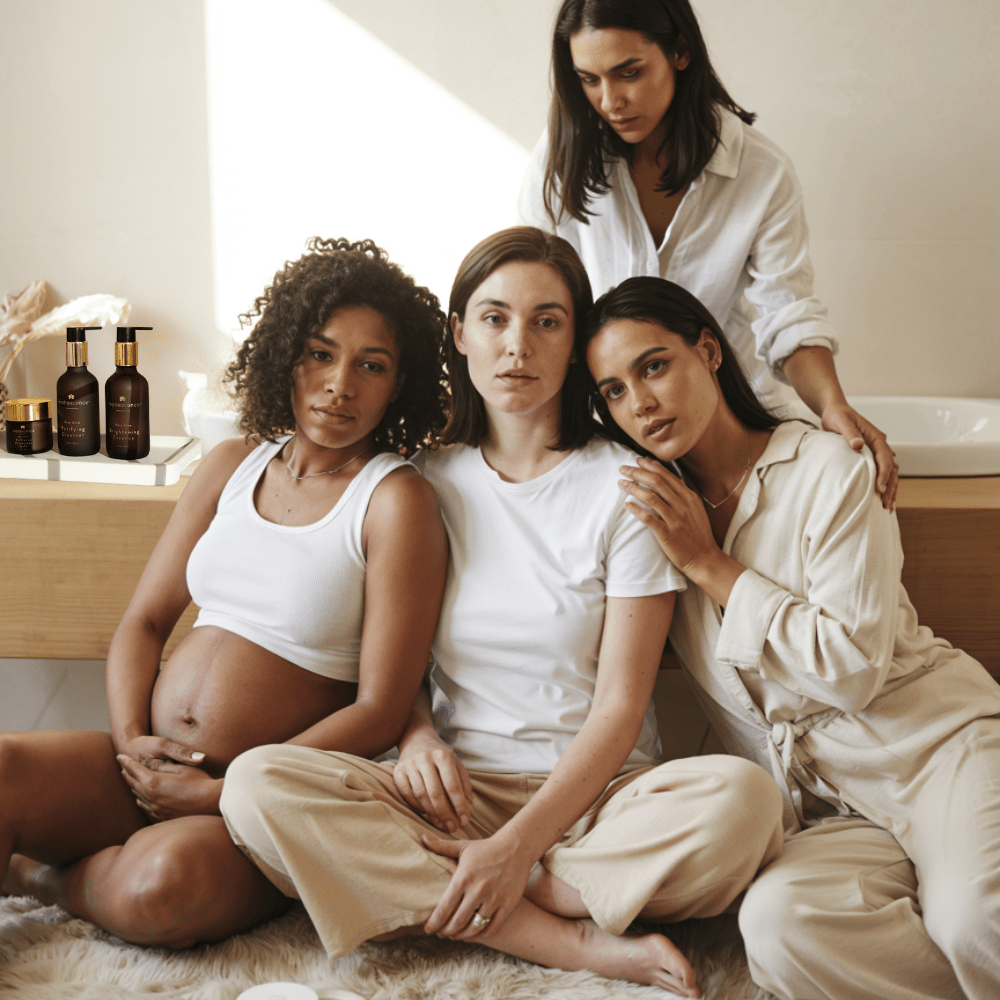
From PCOS to perimenopause, hormonal shifts happen at every life stage. Learn why hormone-safe skincare is a must—even if you’re not expecting.
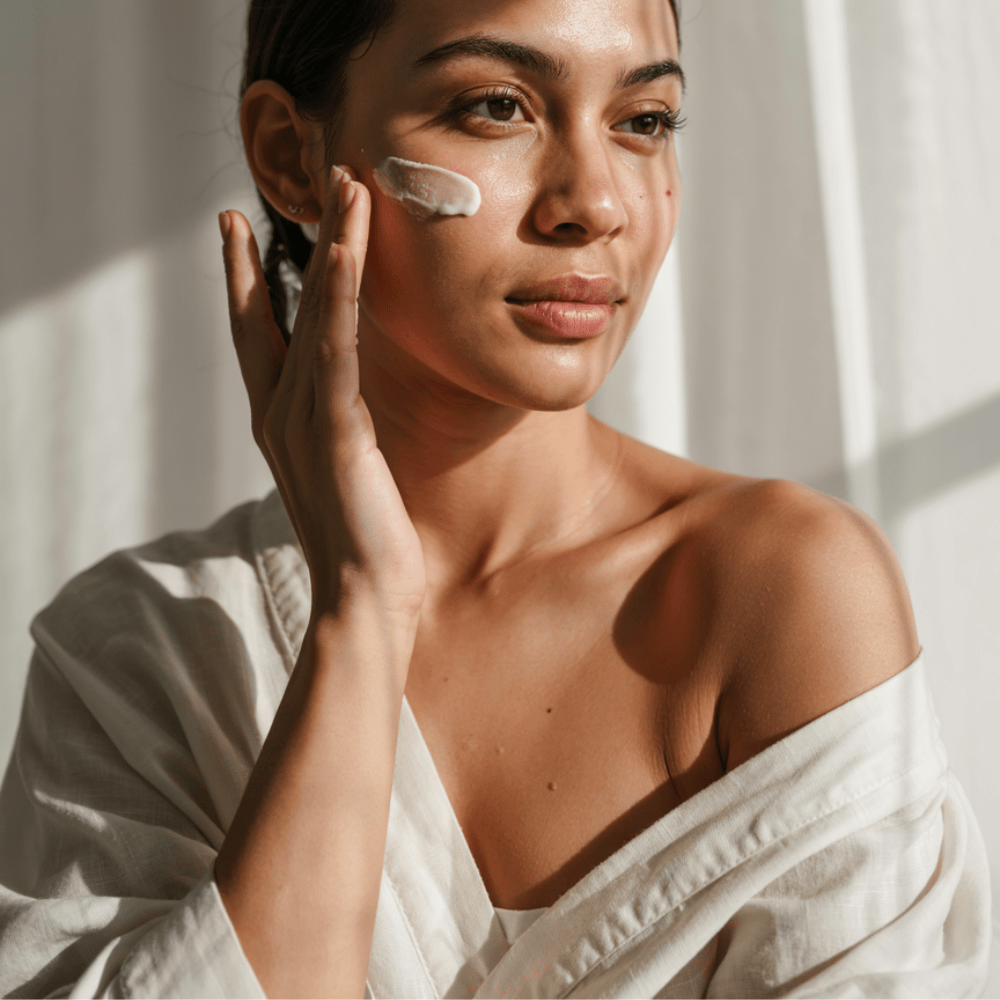
Whether you’re pregnant, postpartum, or perimenopausal, choosing the right ingredients makes all the difference. In this guide, we explain why endocrine disruptors matter, spotlight clean actives a...
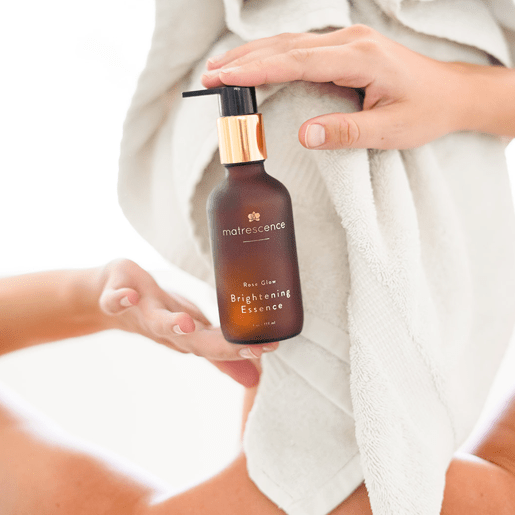
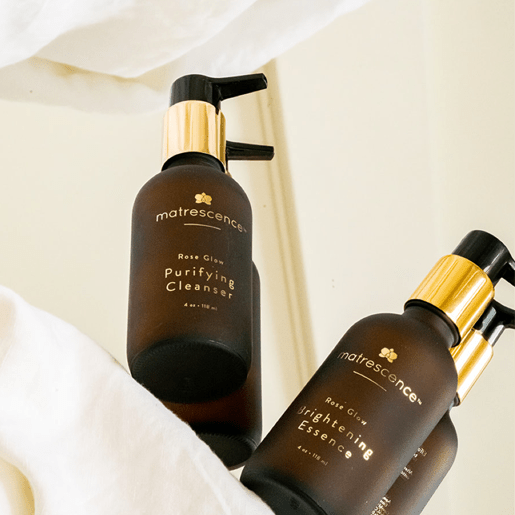
A deep-dive of our Brightening Essence. A dual-action toner and serum that gently exfoliates and hydrates to reveal a vibrant, more even complexion. Formulated for hormonally shifting skin, it help...
Leave a comment
All comments are moderated before being published.
This site is protected by hCaptcha and the hCaptcha Privacy Policy and Terms of Service apply.